integration planning

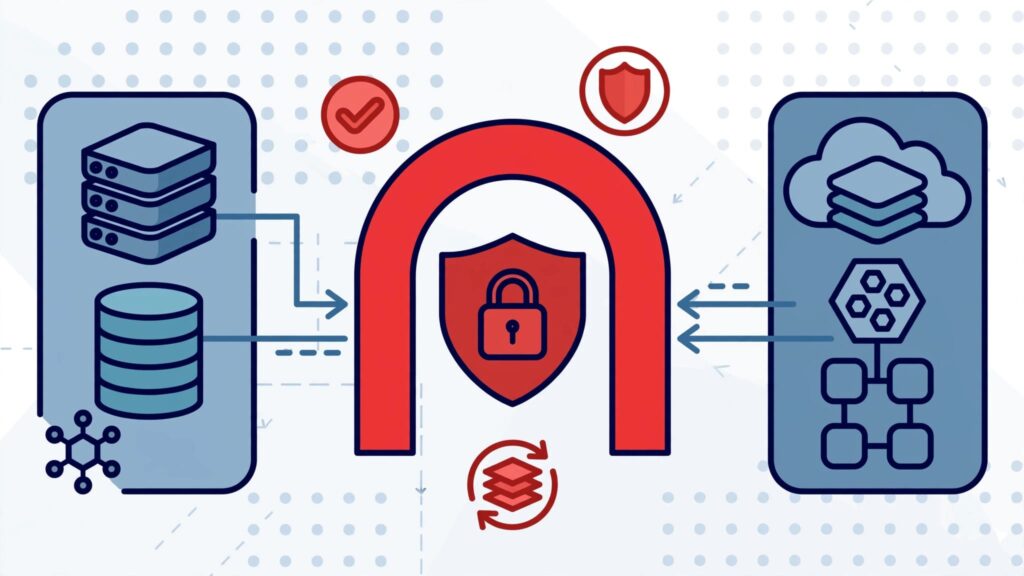
Two business systems connect through a central gateway with data flow and backup symbols.

Joint Venture Technology Governance Before Connection

Your joint venture can inherit a partner’s technology risk before it delivers its first customer outcome. A shared account, data feed, or vendor connection can create obligations your leadership team hasn’t agreed to own. Joint venture technology governance gives you clear authority before those connections become operational dependencies. You need to know what can be

Joint Venture Technology Governance Before Connection Read More »
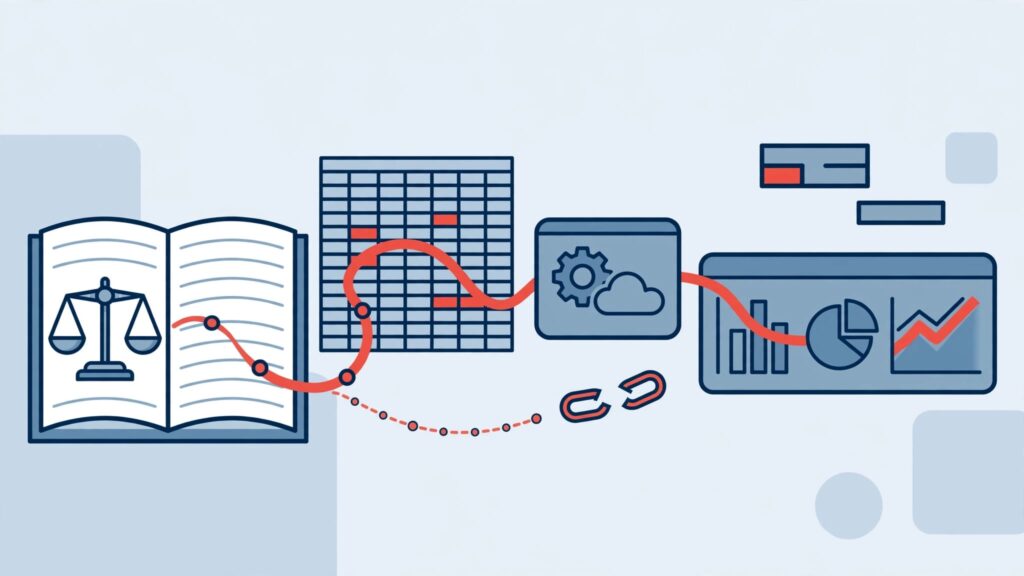
A ledger links to finance dashboards, with a red path and scattered data blocks.

Financial Data Integrity: Can You Trust Your Statements?

Your month-end close can balance while the data underneath it remains unreliable. Financial data integrity becomes a leadership issue when missing records, broken integrations, or uncontrolled spreadsheets undermine reporting accuracy. That makes reported numbers harder for leaders to defend. You may have capable finance staff and responsive IT support, yet still lack clear ownership across

Financial Data Integrity: Can You Trust Your Statements? Read More »

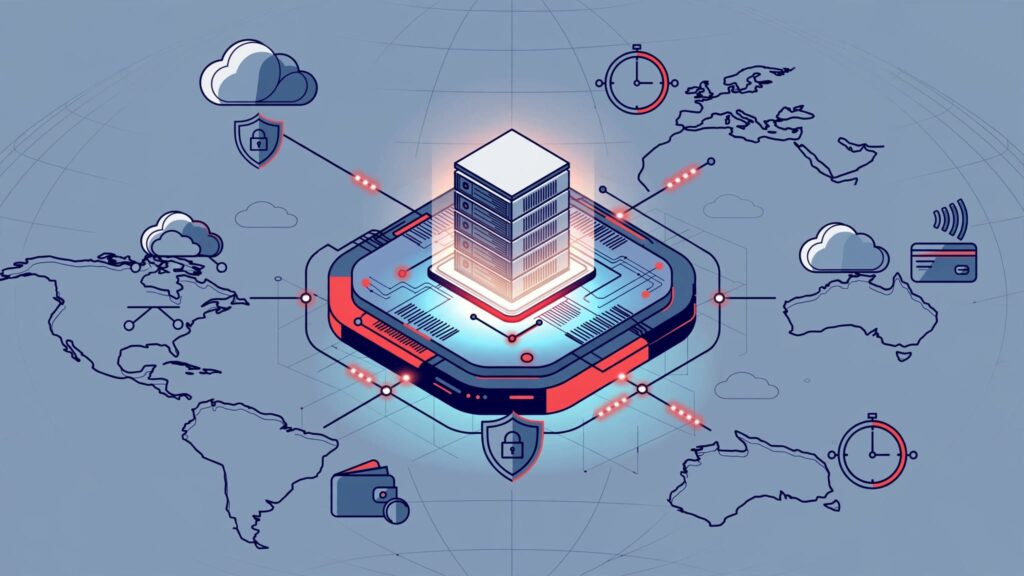
A glowing server hub connects global regions, cloud systems, payment icons, shields, and clocks.

Technology Readiness Checklist for International Expansion

International expansion can expose technology problems that stayed hidden while your business operated in one market. A system that works well at home may not support local privacy rules, new payment methods, regional vendors, or teams working across time zones. A strong technology readiness checklist starts with a pre-expansion assessment of architecture, infrastructure, cybersecurity, and

Technology Readiness Checklist for International Expansion Read More »

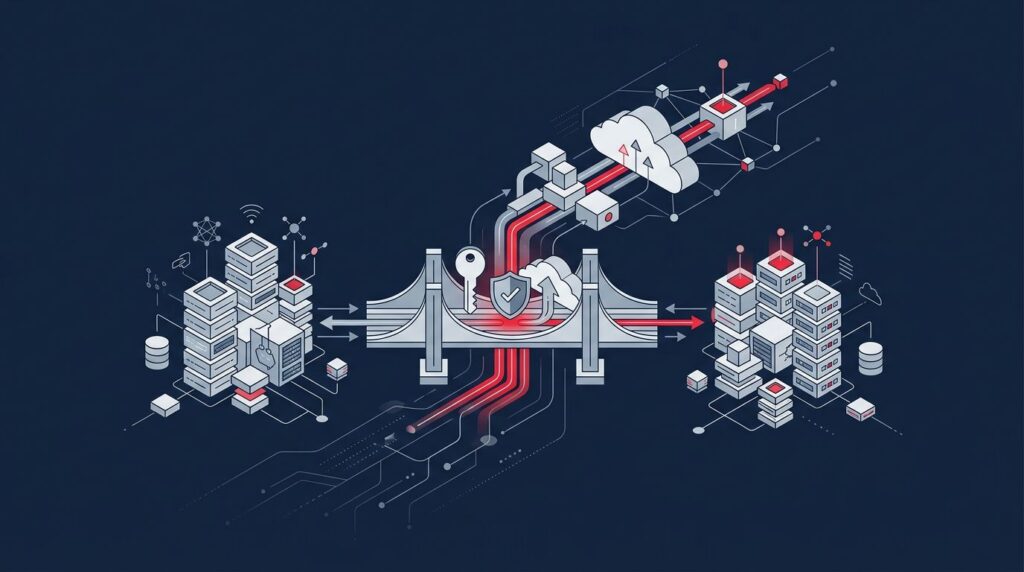
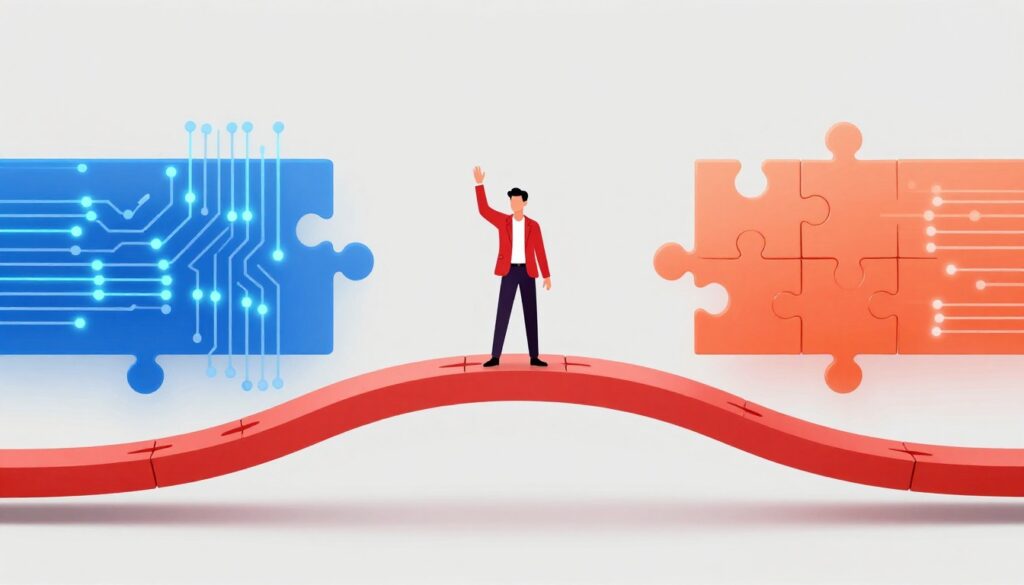
Two server platforms connect through a secure central bridge with cloud and shield symbols.

Add-On Acquisitions: A Tech Integration Playbook

In middle market leveraged buyouts, an add-on acquisition can look small in a purchase model. It can still create a large technology problem. When you combine a target with a platform company, identity, data, vendors, and cybersecurity must work together. Decision rights must also be clear before the promised EBITDA improvement shows up. Private equity

Add-On Acquisitions: A Tech Integration Playbook Read More »

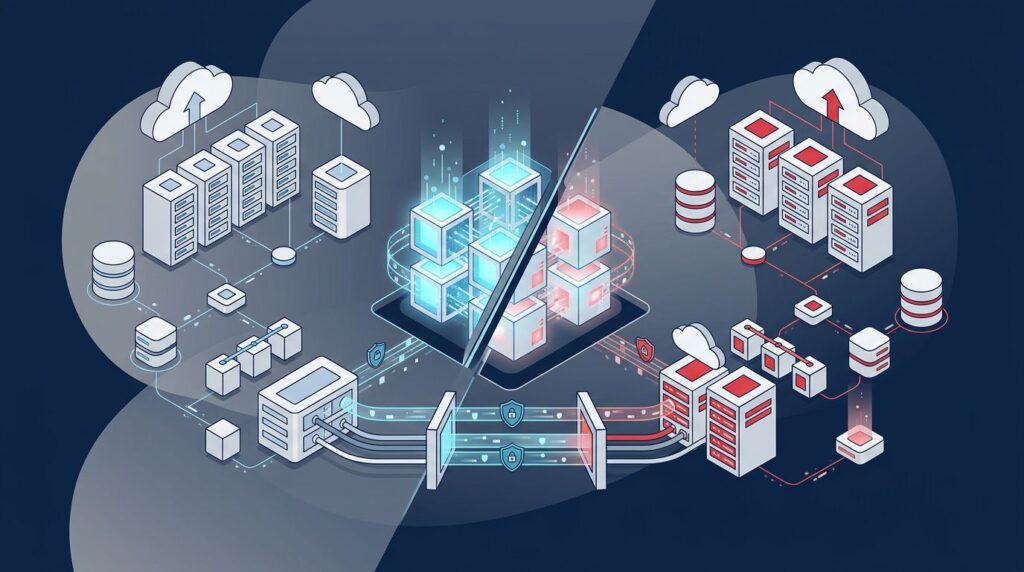
A central data hub separates into two secure network systems linked by red data pathways.

IT Carve-Out: Separate Systems Without Breaking the Business

An IT carve-out can support value creation when operational risks are controlled. Shared systems, data, vendors, identities, and infrastructure rarely divide cleanly when the deal closes. The target business must operate independently without losing orders, payroll, customer access, reporting, or security controls. Meanwhile, the parent company must keep those capabilities running through the separation. That

IT Carve-Out: Separate Systems Without Breaking the Business Read More »

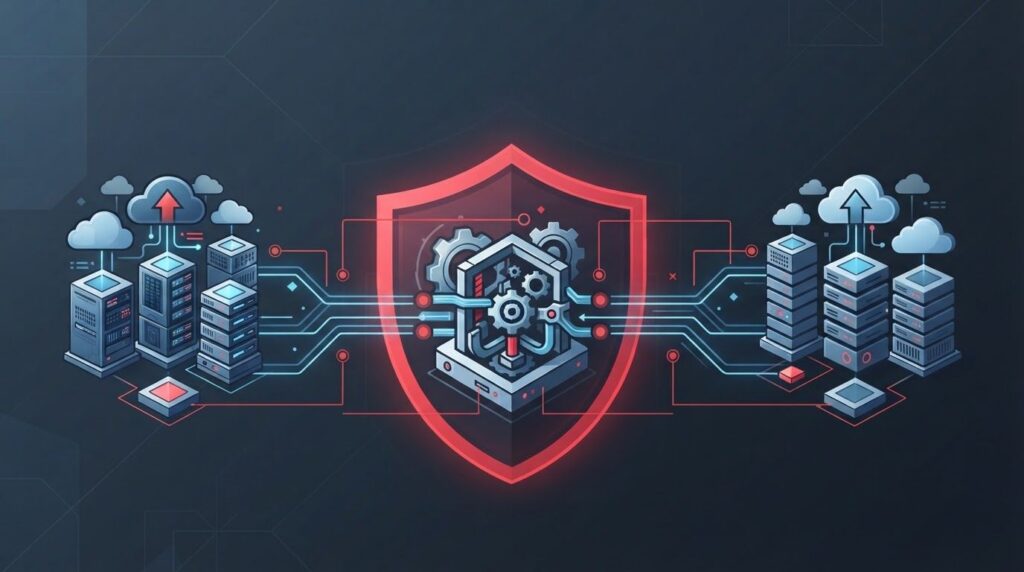
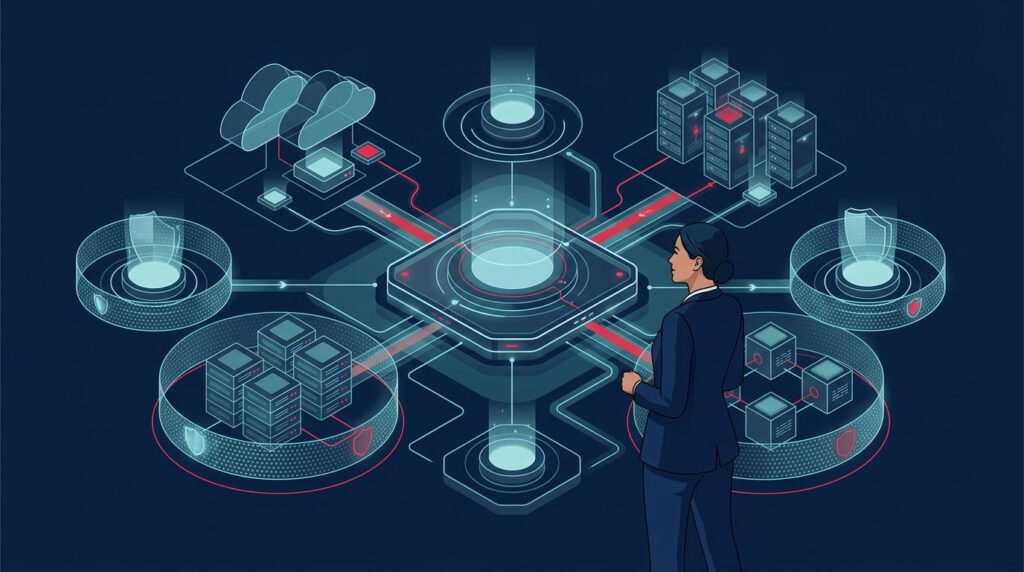
Connected enterprise networks meet at a central hub protected by a shield.

The First 100 Days of Tech Integration After an Acquisition

An acquisition can create value quickly, but technology gaps can slow integration, raise cyber risk, disrupt customers, and weaken confidence in the deal. Day one readiness helps limit these risks, while a post acquisition IT integration plan protects the business before it tries to combine every system. The first 100 days are the core phase

The First 100 Days of Tech Integration After an Acquisition Read More »

Technology Due Diligence Before an Acquisition: What Leaders Need to Know

Technology Due Diligence Before an Acquisition: What Leaders Need to Know

In high-stakes M&A transactions, a deal can look sound on paper and still hand you a technology problem that drains cash, delays integration, and weakens the value you thought you bought. For buy-side deal teams and executives, technology due diligence gives you a clearer view before money changes hands. It tests whether the target’s systems,

Technology Due Diligence Before an Acquisition: What Leaders Need to Know Read More »

Merging Two Tech Stacks Without Wasting Time

Merging Two Tech Stacks Without Wasting Time

Merging two tech stacks is a high-stakes challenge that frequently arrives when you acquire a company, launch a new business unit, or replace a core platform. Whether you are navigating complex mergers and acquisitions or simply consolidating internal systems, you suddenly find two teams relying on different infrastructure, data models, vendors, and workflows. Everyone expects

Merging Two Tech Stacks Without Wasting Time Read More »

Build, Buy, or Integrate? A Decision Framework for Mid-Market Leaders

Build, Buy, or Integrate? A Decision Framework for Mid-Market Leaders

Every bad technology decision starts the same way. You feel pressure, the team wants an answer, and the cheapest option starts sounding smart. But mid-market choices are rarely about price alone. They are about speed, control, technical debt, vendor dependence, and whether the next move makes the business easier or harder to run. If you

Build, Buy, or Integrate? A Decision Framework for Mid-Market Leaders Read More »