IT governance

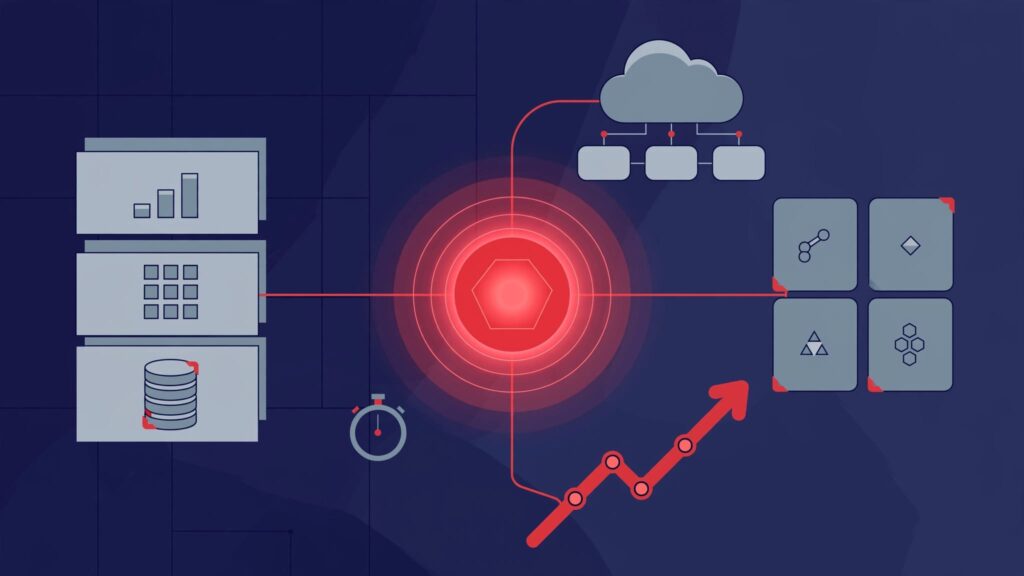
A glowing trust meter surrounded by business risk and operations indicators.

How to Measure Trust Debt: Five Quarterly CFO Indicators

A CFO can see a budget variance quickly. It takes longer to see whether leadership still trusts the technology story. Trust debt is the accumulated cost of missed commitments, unclear ownership, weak reporting, unresolved risk, and decisions that keep getting reopened. If you want to know how to measure trust debt, start with operating evidence, […]

How to Measure Trust Debt: Five Quarterly CFO Indicators Read More »

Two executives stand beside a digital dashboard, server racks, cloud icons, and a bridge.

Technology Leadership Family Businesses Need in Transition

Generational transition turns informal technology decisions into business decisions. You need the technology leadership family businesses can trust when ownership, authority, systems, and expectations change together. The outgoing generation may protect processes that built the company. The next generation may see outdated tools, weak data, and avoidable risk, and call for next-generation leadership. Neither side

Technology Leadership Family Businesses Need in Transition Read More »

A CEO in a suit reviews data on a glowing laptop with security shield graphics.

One-Page AI Acceptable Use Policy for Mid-Market CEOs

AI is already inside your business, whether you approved it or not. Employees may be pasting work into public chatbots, using AI features inside SaaS tools, or relying on generated answers that sound right but aren’t. A clear AI acceptable use policy template for business gives you a practical starting point. It protects customer trust,

One-Page AI Acceptable Use Policy for Mid-Market CEOs Read More »

A glowing tech hub with a red security shield and organized data pathways.

Shadow AI Is Already in Your Company: Set Guardrails That Work

Your employees may already be using ChatGPT, Claude, Gemini, Microsoft Copilot, AI meeting notes, coding assistants, and generative AI features inside software you already pay for. The question isn’t whether shadow AI use exists. It’s whether you can see it, understand the data involved, and decide who owns the risk. Knowing how to manage shadow

Shadow AI Is Already in Your Company: Set Guardrails That Work Read More »

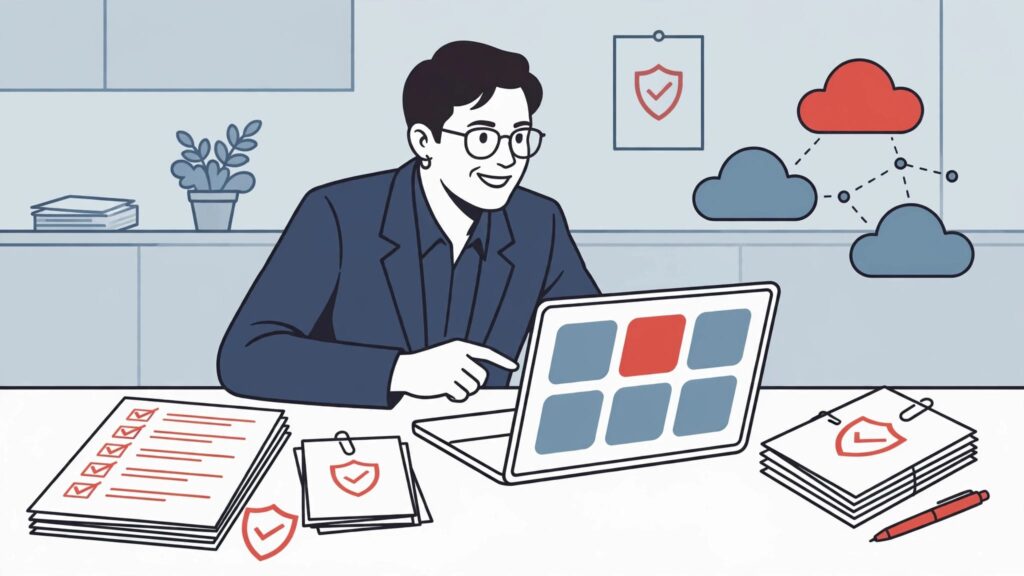
A glowing cybersecurity shield, secured folders, and a checklist on a desk with network nodes.

CMMC Requirements 2026: A Mid-Year Contract Check

A compliance problem under the Cybersecurity Maturity Model Certification framework rarely starts with a failed assessment. It starts when a bid, flow-down, or renewal lands on your desk and nobody can say what the company has committed to. For defense contractors across the Defense Industrial Base, CMMC requirements 2026 are no longer a future compliance

CMMC Requirements 2026: A Mid-Year Contract Check Read More »

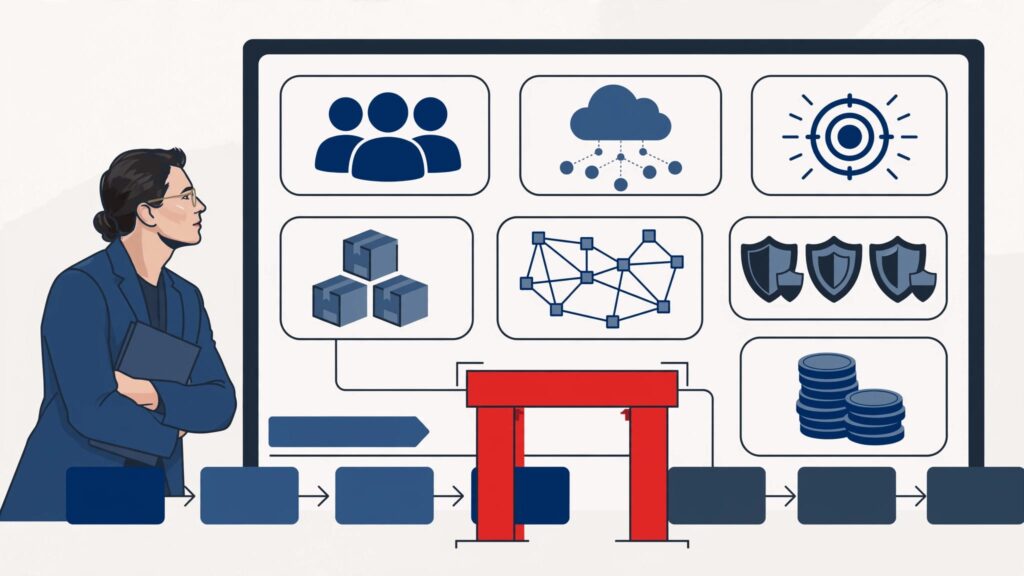
Prepare Your Technology Organization for Growth, Sale, or Investment

Prepare Your Technology Organization for Growth, Sale, or Investment

Growth puts pressure on every weak decision your company made when things were simpler. Systems that once worked well enough start slowing teams down. Vendor contracts pile up. Reporting gets harder to trust. Nobody can give a clean answer about risk, spend, or what should happen next. That is why technology organization growth is not

Prepare Your Technology Organization for Growth, Sale, or Investment Read More »

Six professionals seated around a conference table looking at a glowing red AI brain hologram.

AI Governance Committee Structure for a 200-Person Company

AI use spreads faster than ownership. Your marketing team may test generative ai models for writing, operations may automate documents, and customer teams may use AI summaries, while nobody holds the full picture of risk, cost, or artificial intelligence governance. A clear AI governance committee structure gives you a place to make decisions without turning

AI Governance Committee Structure for a 200-Person Company Read More »