post-acquisition technology integration

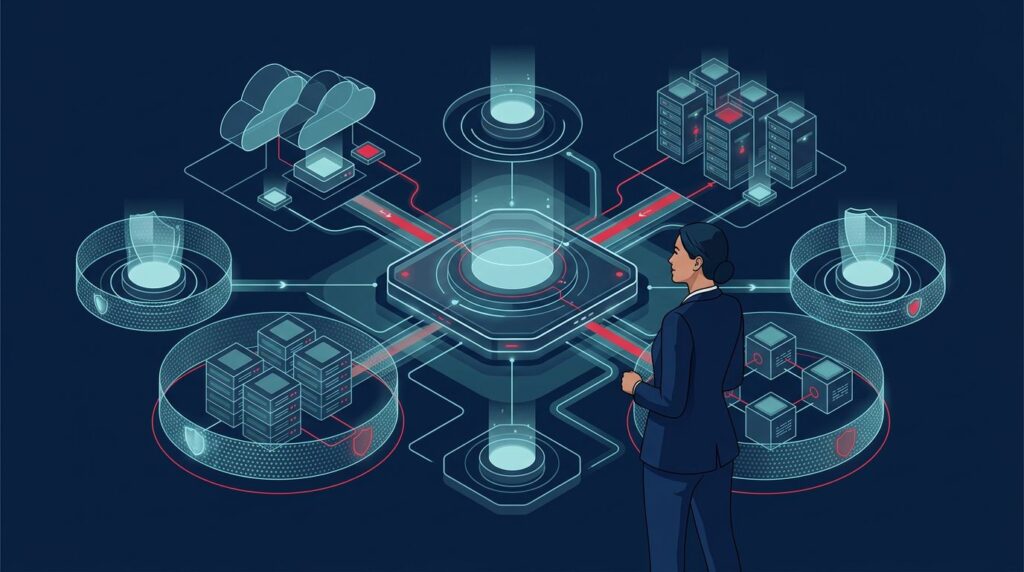
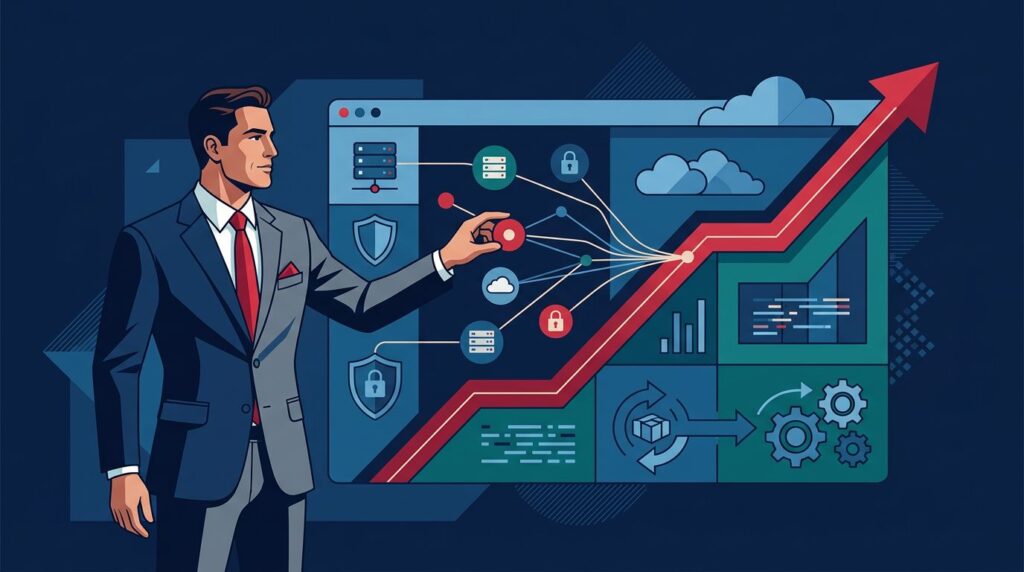
A suited business leader connects technology nodes to a rising profit graph.

How PE operating partners turn technology into EBITDA

Technology rarely turns into EBITDA simply because a business buys a better platform. PE operating partners create value when they connect technology to a business problem, an accountable initiative, a measurable outcome, and a deadline. Your portfolio company may be growing, but growth often exposes weak systems, tool sprawl, unclear ownership, rising cyber risk, and […]

How PE operating partners turn technology into EBITDA Read More »
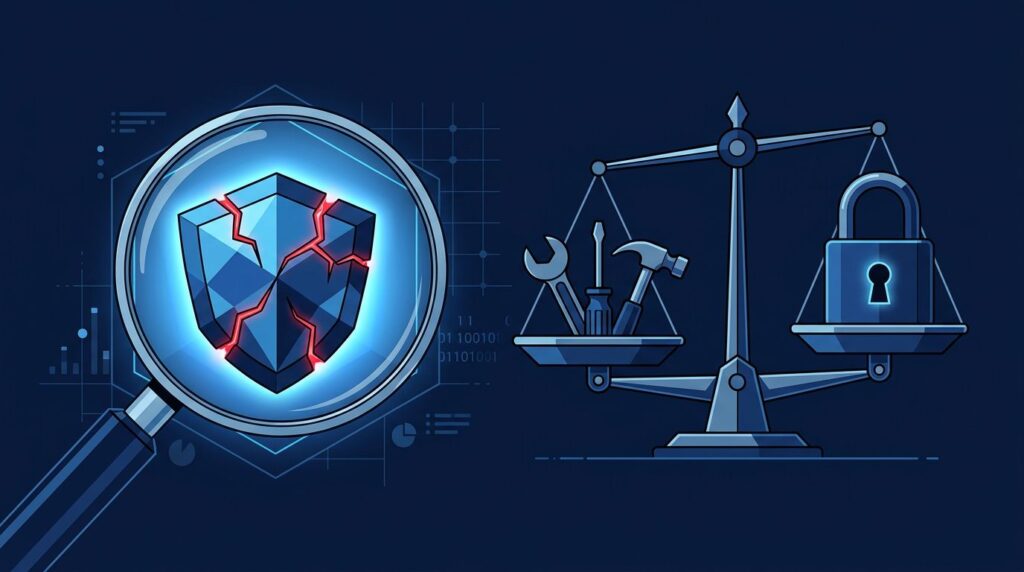
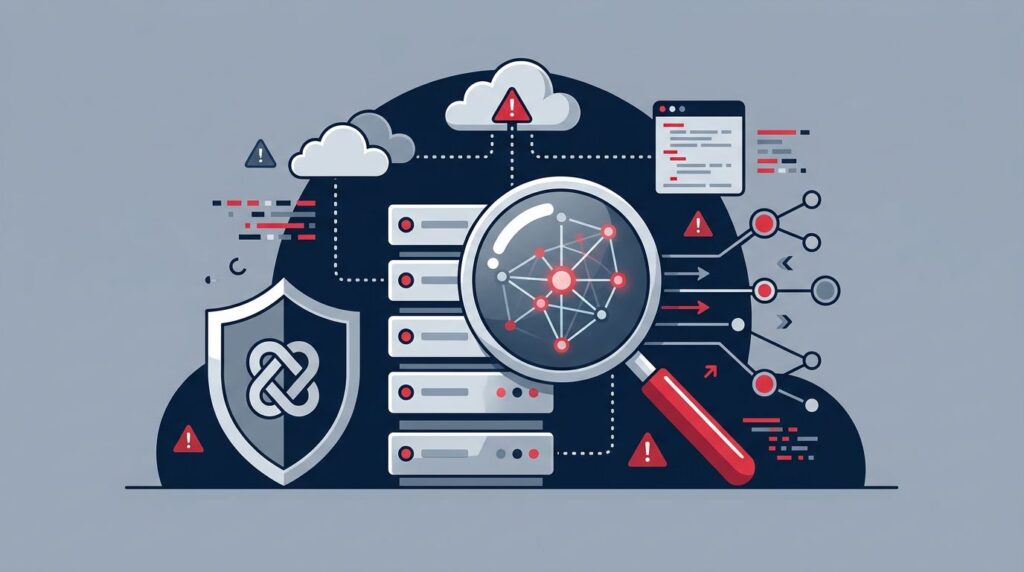
A magnifying glass examines a cracked server shield beside a financial scale and security lock.

Cybersecurity Due Diligence Red Flags That Cut Price

A deal can look financially attractive until you examine the systems that keep the business running. Cyber threats can turn weak access controls and untested backups into expensive post-close problems. Aging platforms and undisclosed incidents can increase cyber risk, driving remediation costs and lost operating capacity. Cybersecurity due diligence helps you evaluate a transaction in

Cybersecurity Due Diligence Red Flags That Cut Price Read More »

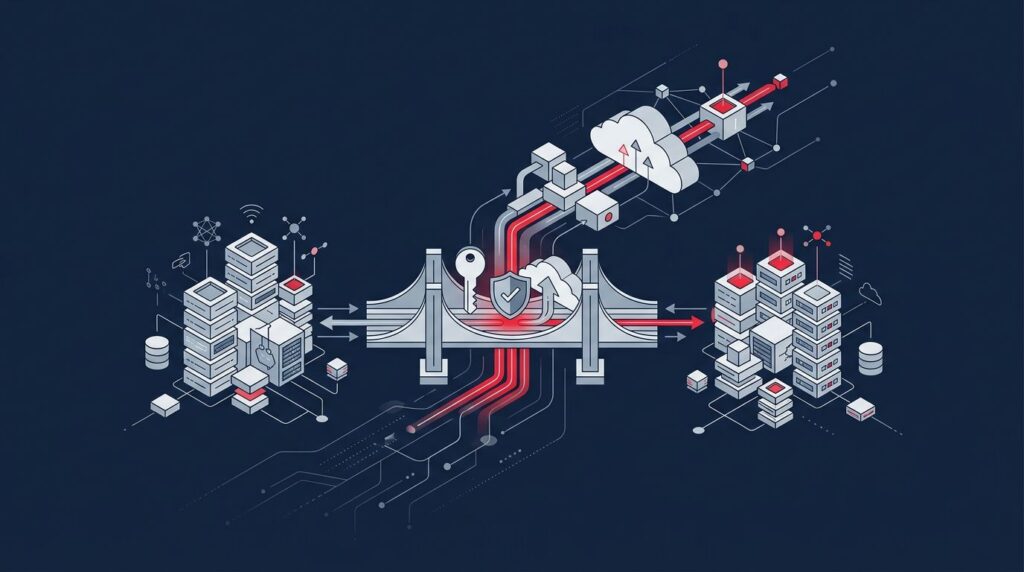
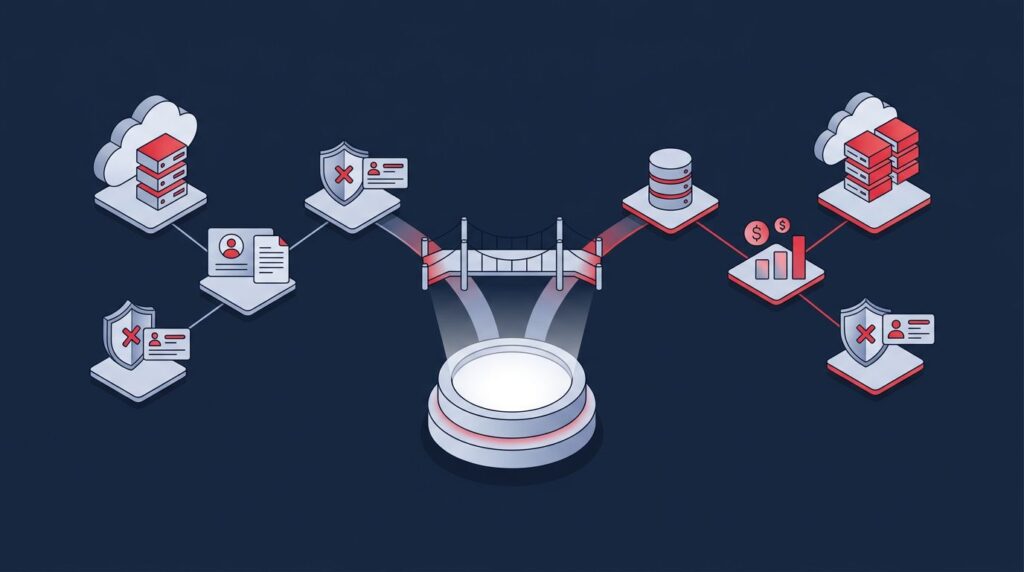
Two server platforms connect through a secure central bridge with cloud and shield symbols.

Add-On Acquisitions: A Tech Integration Playbook

In middle market leveraged buyouts, an add-on acquisition can look small in a purchase model. It can still create a large technology problem. When you combine a target with a platform company, identity, data, vendors, and cybersecurity must work together. Decision rights must also be clear before the promised EBITDA improvement shows up. Private equity

Add-On Acquisitions: A Tech Integration Playbook Read More »

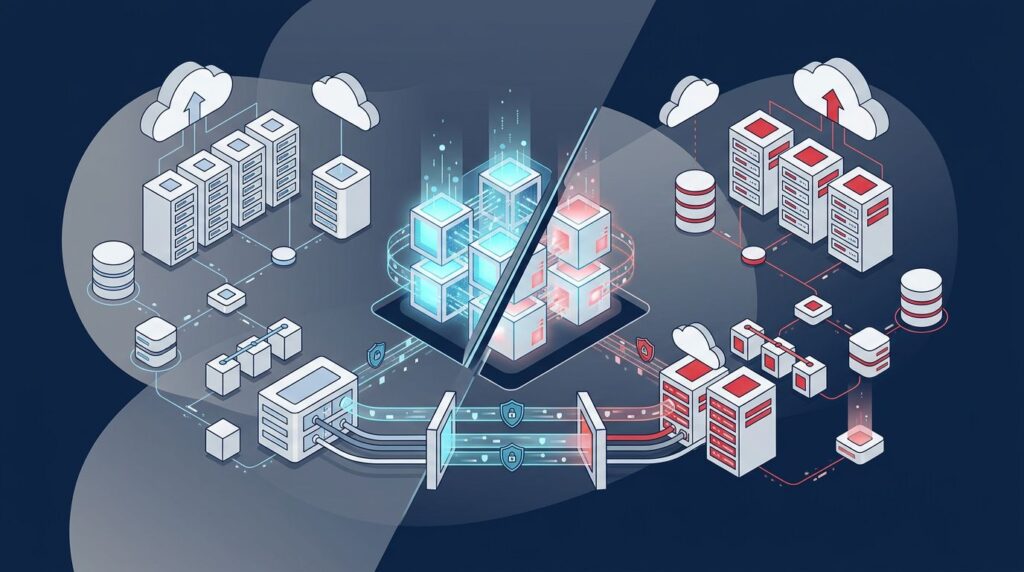
A central data hub separates into two secure network systems linked by red data pathways.

IT Carve-Out: Separate Systems Without Breaking the Business

An IT carve-out can support value creation when operational risks are controlled. Shared systems, data, vendors, identities, and infrastructure rarely divide cleanly when the deal closes. The target business must operate independently without losing orders, payroll, customer access, reporting, or security controls. Meanwhile, the parent company must keep those capabilities running through the separation. That

IT Carve-Out: Separate Systems Without Breaking the Business Read More »

Connected enterprise networks meet at a central hub protected by a shield.

The First 100 Days of Tech Integration After an Acquisition

An acquisition can create value quickly, but technology gaps can slow integration, raise cyber risk, disrupt customers, and weaken confidence in the deal. Day one readiness helps limit these risks, while a post acquisition IT integration plan protects the business before it tries to combine every system. The first 100 days are the core phase

The First 100 Days of Tech Integration After an Acquisition Read More »

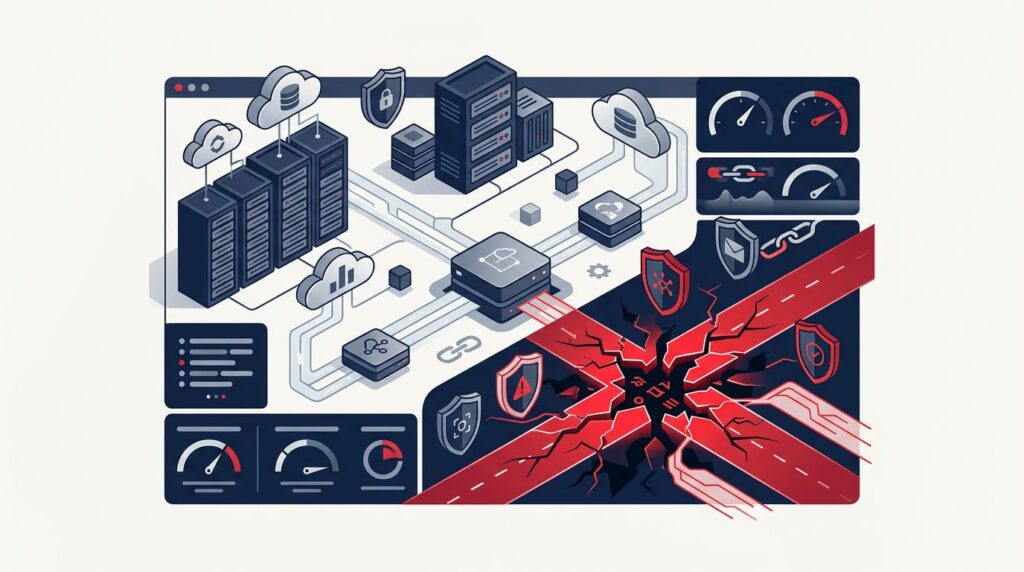
A digital infrastructure dashboard shows connected systems and a cracked red warning path.

Buy-Side Technology Due Diligence: What Kills Deals

A target can look attractive on paper during mergers and acquisitions, but hidden technology problems can threaten revenue, post-close value, and the integration plan, making buy side due diligence essential. A buy side technology due diligence checklist helps you test whether the systems, people, vendors, data, security controls, and technology costs support the investment thesis.

Buy-Side Technology Due Diligence: What Kills Deals Read More »

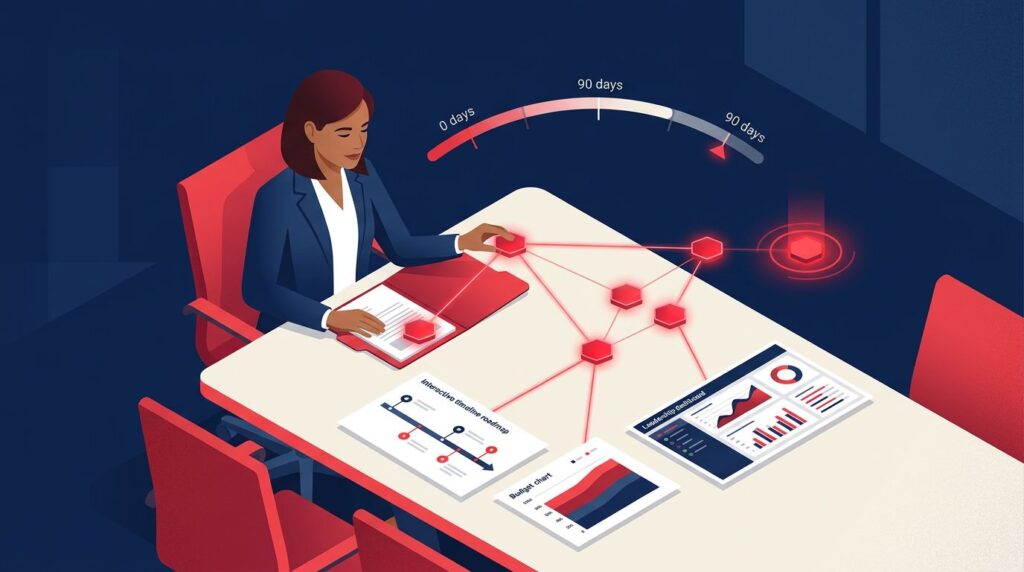
An operating partner connects diligence report nodes to a roadmap and dashboard at a conference table.

Why Tech Diligence Findings Die After Close — and How Operating Partners Keep Them Alive

A deal can close with a thorough report, a red-flag list, and strong conviction. Then the business goes back to work, and the report starts collecting dust. That is why tech diligence findings often fail to change anything. The findings may be accurate, but nobody has made them part of the operating plan, the budget,

Why Tech Diligence Findings Die After Close — and How Operating Partners Keep Them Alive Read More »

A glowing data hub separating into two independent technology networks on a dark background.

IT Carve-Out: Separate Technology Without Breaking the Business

A business separation can look clean on an org chart and still fail in the systems your people depend on every day. Email, identity, finance, customer data, security tools, contracts, and vendor support are often more entangled than leadership realizes. An IT carve-out is not a technical cleanup project. It is a business continuity effort

IT Carve-Out: Separate Technology Without Breaking the Business Read More »

Technology Due Diligence Before an Acquisition: What Leaders Need to Know

Technology Due Diligence Before an Acquisition: What Leaders Need to Know

In high-stakes M&A transactions, a deal can look sound on paper and still hand you a technology problem that drains cash, delays integration, and weakens the value you thought you bought. For buy-side deal teams and executives, technology due diligence gives you a clearer view before money changes hands. It tests whether the target’s systems,

Technology Due Diligence Before an Acquisition: What Leaders Need to Know Read More »