systems thinking

The 12 Elements of an Operating Model

The 12 Elements of an Operating Model

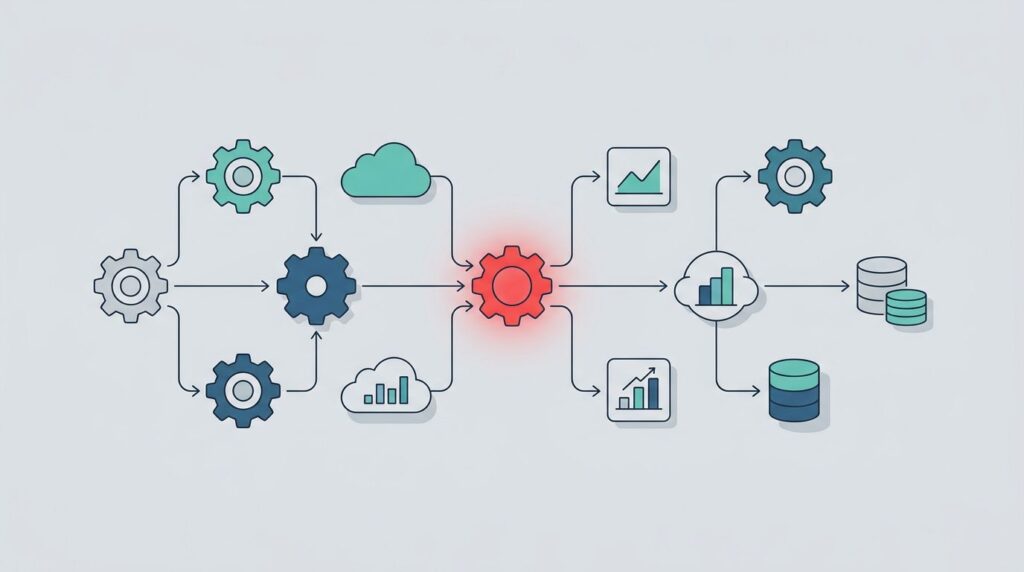
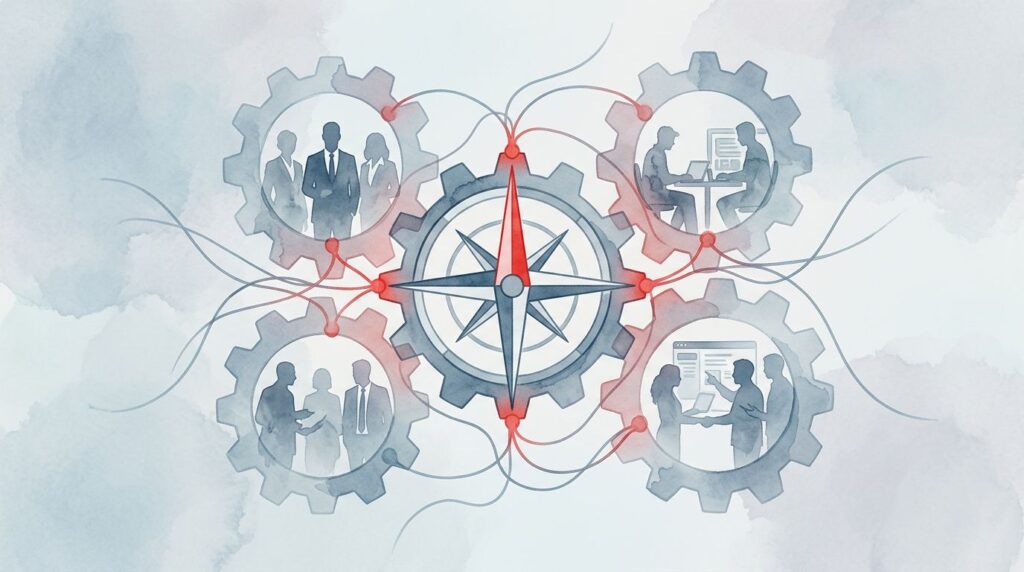
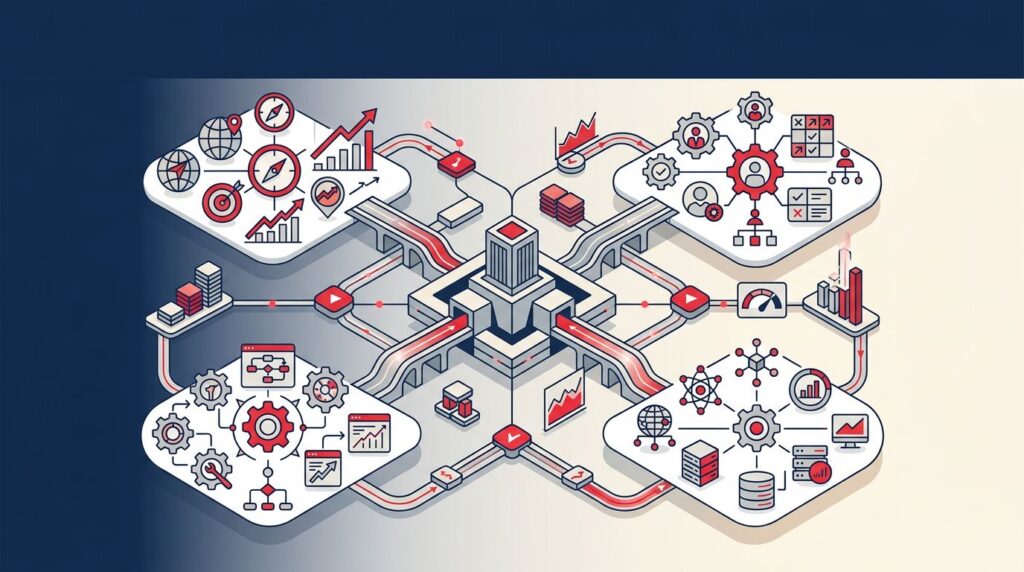
Growth gets harder when strategy, people, processes, technology, and decision rights stop working as one system. You may have capable teams and good intentions, yet still face slow decisions, rising cost, weak reporting, and too much dependence on workarounds. There is no single universal list of operating model elements. This practical 12-part framework gives you […]

The 12 Elements of an Operating Model Read More »
How COOs Can Set Service Levels That Match Customer Promises

How COOs Can Set Service Levels That Match Customer Promises

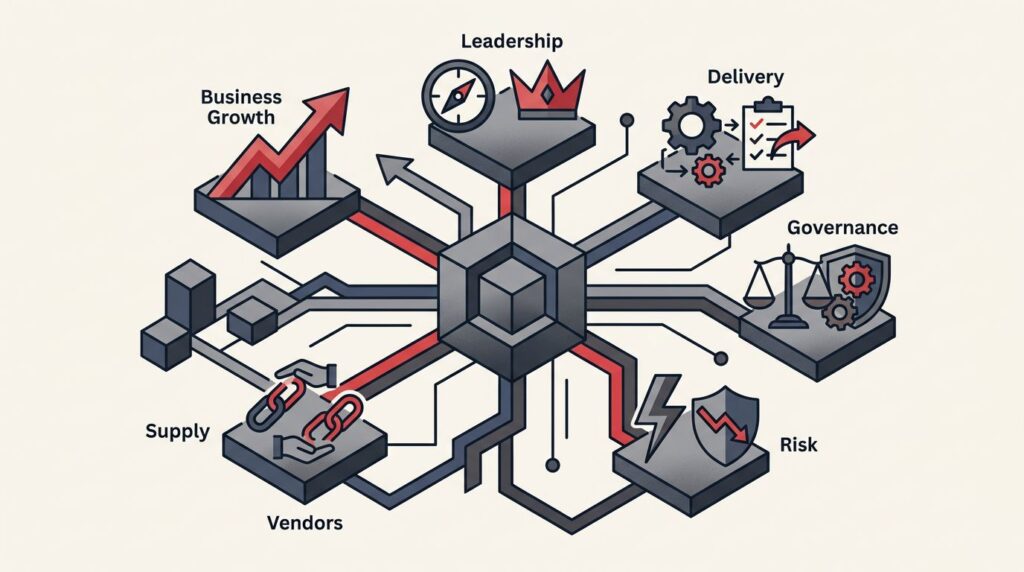
Your customer promise is only real if the operation can keep it. By utilizing service level agreements, you provide your organization with the necessary framework to turn high-level promises into clear, actionable operating commitments. If you promise next-day delivery, accurate reporting, fast support, or secure access, customers will judge your brand based on the final

How COOs Can Set Service Levels That Match Customer Promises Read More »

CRM Replacement Strategy: Fix the Process First?

CRM Replacement Strategy: Fix the Process First?

When your CRM starts frustrating your team, the quick answer is usually, “We need a new system.” However, that answer is often expensive and wrong, as these operational frustrations frequently have a negative impact on the overall customer experience. Most CRM pain starts upstream. Lead routing is messy, stages mean different things to different departments,

CRM Replacement Strategy: Fix the Process First? Read More »

Integration Debt: The Hidden Cost of Systems That Don't Work Together

Integration Debt: The Hidden Cost of Systems That Don’t Work Together

You can have good people, decent tools, and a capable team, and still end up with a business that feels harder to run than it should. That is what integration debt does. It builds up when systems, data, and workflows don’t connect cleanly, and the bill shows up later in slower execution, shaky reporting, and

Integration Debt: The Hidden Cost of Systems That Don’t Work Together Read More »

Build, Buy, or Integrate? A Decision Framework for Mid-Market Leaders

Build, Buy, or Integrate? A Decision Framework for Mid-Market Leaders

Every bad technology decision starts the same way. You feel pressure, the team wants an answer, and the cheapest option starts sounding smart. But mid-market choices are rarely about price alone. They are about speed, control, technical debt, vendor dependence, and whether the next move makes the business easier or harder to run. If you

Build, Buy, or Integrate? A Decision Framework for Mid-Market Leaders Read More »

How to Regain Control When Stakeholder Alignment Breaks Down

How to Regain Control When Stakeholder Alignment Breaks Down

When external stakeholders, internal stakeholders, and leadership are pulling in different directions, you do not have a simple communication problem. You have a control problem. The signs show up fast. Decisions slow down, and budgets get defended instead of used well. People keep doing work, but the work does not add up to one clear

How to Regain Control When Stakeholder Alignment Breaks Down Read More »