Practical resources for justice operations, data, and digital trust
Practical guidance for mission-driven executives who need clearer systems, cleaner data, and lower privacy risk so they can move faster with confidence.
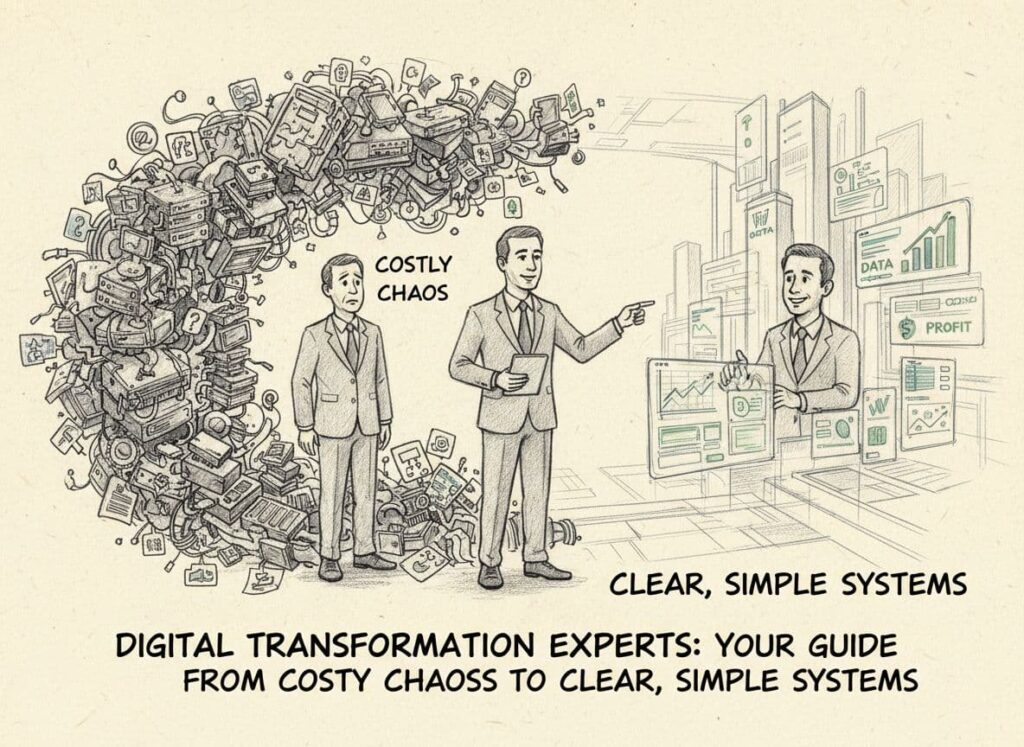
Your organization runs on intake forms, urgent emails, grant deadlines, and partner calls. Underneath, there is a messy tangle of legacy systems, case systems, shared drives, spreadsheets, and tools that no one fully trusts. Staff copy the same data into three places. Grant reports require
Unlock your path to success with this digital transformation advisor guide for 2026 Learn proven strategies frameworks and tools to lead impactful change
You’re running a justice-focused organization with a powerful mission, but the technology holding it all together feels fragile. It’s a common story. You’ve grown fast, driven by purpose, but your systems haven’t kept up. Case data is scattered across tools that don’t talk. Grant reporting
If you lead a justice-focused organization in 2026, you are sitting on a mountain of data and a knot of risk. Case notes in one system, intake in another, program data in spreadsheets, AI tools creeping into daily work, and funders asking for more precise,
Discover how a fractional CIO drives business success in 2026 with expert guidance on IT strategy, cost savings, risk management, and digital transformation.
That critical software subscription just auto-renewed with a 30% price hike you never saw coming. A key supplier missed another deadline, putting your biggest product launch at risk. Your board is asking tough questions about data security, and you realize you have no idea how
Discover the essential fractional CISO guide for 2026 covering benefits, selection steps, and future trends to empower your business with expert cybersecurity leadership.
Your pro bono program is a source of pride, a core part of your firm’s identity. But behind the scenes, you have a nagging feeling it’s not working as well as it should. It feels slow, clunky, and frankly, a bit chaotic. Cases get stuck
Justice-focused organizations sit on a gold mine of restorative justice program data, but most of it never connects cleanly to what happens in court. Case notes, conference outcomes, and victim feedback sit in one system. Charges, dispositions, and reoffending sit somewhere else, often behind a
You are a CEO or founder who is spending more on tech and getting less back. Year one of your digital roadmap looked good. New tools went live, dashboards appeared, vendors were upbeat, your team felt like things were finally moving. Now you are in
As a CEO, you assume the tools you buy are neutral. That your software, algorithms, and data are objective. This is one of the most expensive assumptions you can make. The reality is that your technology is likely loaded with hidden biases, creating massive legal,
Discover the responsible ai guide for 2026 with best practices insights governance and real world examples to drive ethical compliance and sustainable innovation
If you run a justice-focused organization, you already feel the tension. You are told to invest in technology investments, stronger security, and Legal Technology, yet every dollar must be justified to boards and funders who ask, “What did this actually change?” Classic formulas for calculating
Master cybersecurity oversight with proven strategies for 2026. Learn how to protect assets, ensure compliance, and drive business resilience in your organization.
You’re spending more on technology than ever, but growth feels like you’re running through mud. Deals are stalling, operations are clunky, and your team is visibly frustrated. That gut feeling that your technology is holding back business growth isn’t just in your head—it’s a reality
How Can Retail & Travel Brands Leverage AI Without an IT Department: What Actually Works You are being told to “do something with AI.” Customers expect faster answers, better offers, and smoother journeys. Investors and boards are asking where your AI strategy is. Yet you
A business impact analysis (BIA) isn’t a technical audit. It’s a financial x-ray of your company. Think of it as a business-first process designed to pinpoint your most critical operations and calculate, in real dollars, what it costs you when they fail. The goal isn't
Master ai governance with our 2026 guide covering ethics compliance frameworks and practical steps to ensure responsible AI innovation and minimize organizational risk
TL;DR: Tech acquirers in 2024-2025 prioritize operational readiness over revenue growth. Deals succeed or fail based on five pillars: stable systems that scale, clean financials, mature security,...
You are a CEO or COO on the senior leadership team who is spending more on tech and security and still not sleeping well. The board of directors asks about ransomware, AI misuse, and vendor risk. Lenders ask about controls and continuity. You nod, but
You are hearing about CMMC 2.0 from primes, the board, and lenders. Everyone wants comfort that your cyber house is in order through CMMC compliance, but no one is handing you a clear, business-focused answer to a simple question: what level do you actually need?
The deal looks perfect on paper. The financials are strong, the market is growing, and the strategic fit seems undeniable. For a growth-focused leader, this is the moment where ambition meets opportunity. But a nagging question lingers in the back of your mind: What am
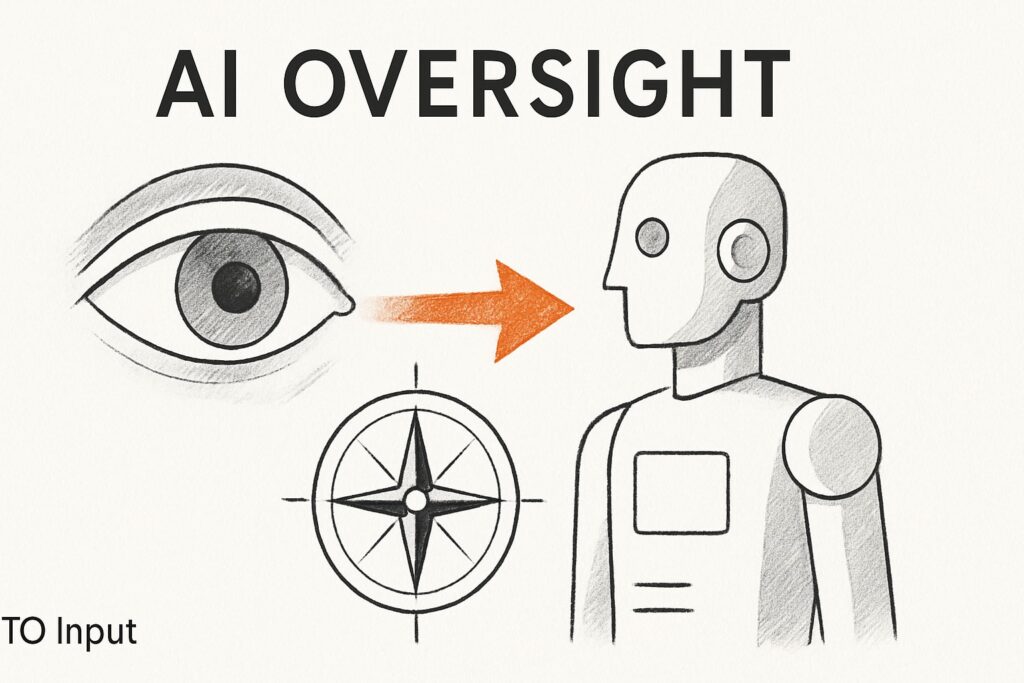
Unlock effective AI oversight with our 2026 roadmap covering principles, risks, best practices, tools, and future trends to ensure responsible AI adoption.
You are starting to hear CMMC 2.0 Level 3 in board packets, from prime contractors, or in side comments from your general counsel. The tone is clear: the stakes around cyber risk are rising, and the tolerance for hand waving is dropping, especially as CMMC
If you run one of the growing DoD defense contractors, you are probably hearing about CMMC 2.0 Level 2 in two ways: as a scary new rule and as one more thing your already stretched IT team has to deal with. In plain terms, CMMC
You want Department of Defense (DoD) revenue, but you do not want another open-ended compliance project that drags for a year and never quite finishes. CMMC talk keeps showing up in RFPs, board decks, and lender calls, and your team is tired of hearing “we’re
You have the certificate on the wall. That SOC 2 or ISO 27001 report, the result of months of effort and a significant investment, is filed away. Your team assures you you’re “compliant.” So why doesn’t it feel like you’re actually protected? This is a
The intake queue is exploding. A partner handoff failed again. A board deck is due, and the numbers don’t reconcile across three spreadsheets and two systems; these are hallmarks of missing Virtual CIO leadership. This is what fast growth looks like amid resource gaps, when
Your pipeline is full, your team is thin and facing operational challenges, and your best customers still expect a premium experience every time.Boards want stable numbers. Key accounts want a premium approach with zero drama. Competitors are circling. In that mix, white glove service starts
The real SOC 2 certification cost isn't a single line item. For a first-time audit, it's a strategic investment that will likely land between $30,000 and $100,000. That number isn’t just the auditor’s fee; it covers the essential prep work, new security tools, and, crucially,
Master cyber security for business with expert strategies, compliance tips, and a step by step roadmap to protect your operations and gain a competitive edge.
For many CEOs and COOs, technology now feels like a crowded committee. IT, product, security, and a web of vendors all touch the same systems, yet no one clearly owns the outcome when a launch slips or an outage hits. You feel it in board
Most Boards of Directors are not short on cyber risk advice. They are drowning in it. There are too many frameworks, too much cybersecurity jargon, and not enough clear choices. Leaders hear NIST, ISO, SOC 2, GDPR, AI risk, and vendors all pushing their own
Scale their business with proven strategies for 2026 Assess readiness build scalable systems leverage technology empower teams and sustain growth for success
You’ve heard the term before, probably from a sales director or a board member. But what is a SOC 1 Type II report, really? In simple terms, it’s proof. It’s an independent auditor’s stamp of approval that your company’s internal financial controls aren’t just well-designed,
Technology should make your company faster, safer, and more profitable. For many mid-market leaders, it now feels like the opposite. Projects drag. IT spend climbs. Cyber questions in board meetings get harder to answer. And yet nothing seems broken enough to justify a full rebuild.
Protect your personal data with our breach of privacy guide for 2026. Learn to identify threats, secure your information, and respond confidently to breaches.
If you lead a mid-market company, technology spend can feel like a rigged game. Every vendor has a “must-have” platform, your team wants more tools, and the board wants lower cost and lower risk at the same time. You are not alone if you are
You are not imagining it. Every quarter, the tech budget inches up. AI pilots. New platforms. Cyber tools. Yet revenue, margin, and customer experience (CX) do not move in the same way. The board asks for proof of financial returns. Lenders ask about risk. Investors
Are you spending more and more on technology, but everything feels like it’s slowing down? That new software that was supposed to be a game-changer just created more headaches. And you’re starting to wonder if the technology you were sold as a speedboat is actually
You are not crazy. Technology really has become loud, messy, and expensive in this era of digital transformation. Every week a new AI tool tied to the latest AI strategy, vendor pitch, or board question lands on your desk, and somehow you are the one
You look at your tech stack and feel that familiar knot in your stomach. Outages hit at the worst times. New features crawl out the door. Tech spend keeps rising, yet the board is asking sharper questions about risk, security, and resilience. You catch yourself
Monday morning. Your phone lights up before coffee. Outage alerts. Angry emails from sales. A note from finance asking if today’s downtime will hit revenue. You hired smart people and solid vendors, yet you still cannot stop IT firefighting. For many organizations with 10 to
Every notification on your screen feels like a fire. A security alert. An AI vendor pitch. A CRM issue that is “blocking sales.” A board member forwarding an article about the latest breach with a one-word note: “Thoughts?” You keep asking yourself, “How do I
What should a 3 year technology roadmap look like for a mid sized company? If you are running a business between 2 and 250 million in revenue, you probably feel the squeeze: rising tech costs, constant cyber questions from the board, and projects that never
Your IT spend keeps going up. Projects are busy, complex, and time consuming. Yet when you sit in a board meeting and someone asks, “So what did all this tech spending do for revenue and margin?”, the answers feel thin. The real question on the
Your company is no longer scrappy and small. At around 20 million in revenue, you have real customers, real risk, and a board or investors who expect clear answers about how technology supports growth. At this stage, technology is not just email, Wi‑Fi, and a
You are not alone if you are staring at your tech spend and wondering: “Do I need a CTO, CIO, or just a good IT manager?” For a CEO, COO, or founder in the $2M to $250M range, technology often feels like a black box.
Discover 9 proven strategies top cyber security companies use to reduce risk, enhance compliance, and stay ahead of threats. Gain actionable insights for 2026.
You run a real business with real stakes. Revenue sits somewhere between $2 million and $250 million. Tech now feels like your biggest line item, your biggest risk, and your least trusted partner. Technology maturity is a simple idea: how well your systems, data, and
If you are a mid-market CEO, your calendar probably tells the story. AI tools, cybersecurity roadmaps, vendor pitches, product backlogs, renewal calls, and yet you still get surprised in board meetings. The questions are sharper, the stakes are higher, and the decisions keep multiplying. You
Most CEOs feel the squeeze from all sides on technology. Costs keep creeping up, cyber risk keeps rising, and now AI questions show up in every board packet. At the same time, you do not want to sit in stand-ups or argue about ticket queues.
The deal looks perfect. The numbers add up, the market opportunity is obvious, and your team is ready to sign. But what if the technology at the heart of that multi-million dollar acquisition is a ticking time bomb? This is the central fear that technology
If you are a CEO or founder, you probably feel it: technology is expensive, risky, and often out of sync with your actual strategy. Projects drag on. Vendors sell tools, not outcomes. Board and lender questions on cyber, AI, and resilience keep getting sharper. A
Picture the typical owner of a $2 million to $250 million company. You built or grew the business over decades, you know every key customer by name, and your instincts have steered you through more than one crisis. Now you are starting to think about
Most boards do not care how elegant your architecture is or how clever the AI model might be. What they want is a simple, believable way to see where each dollar goes, and why. That is the heart of The Investment Priority Framework Boards Actually
You look at your monthly spend and see a growing wall of SaaS subscriptions, “must‑have” security tools, and point solutions. Yet outages keep happening, access requests drag on, and the board is asking sharper questions about cyber risk and resilience. On paper, you have more
Master decision strategy with this expert guide for 2026. Explore proven frameworks, technology, human factors, and future trends to strengthen your decisions.
You are a CEO or COO who is spending more on tech and getting less back. Your projects look sharp on slides, but revenue, margin, and risk barely move. Roadmaps change every quarter, vendors push new tools, and your board keeps asking how tech spend
Does this sound familiar? Your customer spreadsheet has morphed into a complex CRM that no one trusts. Your team is scattered everywhere, accessing company data from personal devices. You’re finally landing bigger clients, but their security questionnaires feel like a final exam you didn’t know
You probably feel it every budget season. Technology costs keep rising, risk headlines keep getting louder, and your CFO looks at your plans with a mix of interest and suspicion. For mid‑market and growth companies, tech feels expensive, risky, and strangely disconnected from the real
You’re a CEO focused on scaling. You have a great product, a strong team, and an ambitious growth plan. But there’s a quiet, nagging feeling in the back of your mind: are you one surprise audit or one tough due diligence question away from a
Navigate 2026 cyber risks with our expert cyber advisor guide Understand key roles assess your needs and build a future ready security roadmap for your business
They thought their house was locked. Doors, windows, alarms. Then they found out the spare key had been sitting in a third party’s desk drawer the whole time. That is what the OpenAI–Mixpanel incident felt like for many leaders watching from the outside. OpenAI’s own
Every growth-focused company hits the same wall at some point. You have more ideas than capacity, more tickets than time, and more tools than anyone wants to admit. The result is a bloated backlog that feels like a junk drawer. Somewhere inside it, there are
Support tickets spike on Monday mornings. Systems slow down at the worst possible times. Outages appear out of nowhere. Compliance tasks get rushed the week before an audit. Vendors call with “urgent” renewals that no one remembers agreeing to. You approve invoices because people need
Discover an explosive strategy business approach to unlock unstoppable growth, dominate your market, and turn bold ideas into predictable, scalable profits.
Who owns third-party risk in your company? If your first instinct is “IT” or “legal,” you already have a gap. Third-party risk is simple to describe and painful to ignore. Any third-party vendors that touch your data, your money, your customers, or your operations can
You can feel it before you can explain it. Technology feels expensive, risky, and a bit out of sync with the organizational vision. Projects creep, bills surprise you, and the board keeps asking questions you cannot answer in plain language. At that point, one hard
Overwhelmed by apps, alerts and devices? Learn how to stop technology chaos, declutter your digital life, and build calm, focused tech habits that last.
Discover how a Technology Advisor can unlock hidden opportunities, streamline your systems, and power up growth so your business dominates the digital future.
Learn how executives can master third-party cyber risk in 2026 with practical frameworks, vendor assessment tactics, and metrics to prevent costly breaches.
If you are a CEO, COO, founder, or board member, you may feel this every quarter: technology is expensive, risky, and hard to control. Costs creep up, projects drag on, and security headlines make you wonder how exposed your company really is. In the middle
You are a CEO or founder who is spending more on tech and security and still not sleeping well. The first real cyber attack has not hit yet, but you can feel it coming. You are fielding board questions about leadership preparedness, hearing lenders ask
Discover how powerful Leadership and Team strategies create unstoppable trust, alignment and performance so your organization grows faster, stronger and smarter.
On paper, the company looks strong in scaling and growth. Revenue is steady, maybe even growing. Headcount sits somewhere between 200 and 1,000 people. New customers are coming in, the board is mostly happy, and the leadership team feels busy in all the right ways.
Most CEOs and founders can feel it when their tech teams stall. Delivery slows, incidents repeat, security gaps linger, and costs creep up every quarter. On paper, everyone is busy. In practice, the business is stuck. A strong continuous improvement culture changes that pattern. Instead
Cyber attacks used to sound like an IT problem. Today they feel more like a balance sheet problem. At its core, cyber risk quantification means turning cyber risk into dollars. Instead of hearing “our ransomware risk is high,” you see “we face an expected 20
If your CIO and CMO cannot get through a planning meeting without tension, you feel it in your numbers. Campaigns stall. IT projects drag. Costs creep up while growth stays flat. The board starts asking why your big tech spend is not moving revenue. This
If your tech budget feels like a black box, you are not alone. Many leaders feel trapped between rising costs, security fears, and a backlog of projects that never quite finish. The good news is that technology cost optimization is less about slashing tools and
Technology feels expensive. Risky. Hard to control. Many C-level executives facing digital transformation challenges see a growing tech bill, rising cybersecurity and compliance pressure, and a backlog of projects that never seem to finish. Yet the business impact is unclear. Revenue is not rising at
If running your business feels like steering a plane through clouds, you are not alone. This is the reality of digital transformation for many organizations today. Costs keep rising, systems do not talk to each other, Artificial Intelligence (AI) and Cloud Computing projects pile up,
If you sit in the CEO, COO, founder, or board seat, you probably see technology as a big, unstable line item. High cost, hard to understand, and one wrong move can blow up in the news. A breach of privacy, which exposes personal information, looks,
If your company had a breach tomorrow, who would feel it first? Not just IT. Your marketing team, your sales pipeline, your customer success team, and your board would all feel the shock. In 2025, every security incident is a brand incident. It hits trust,
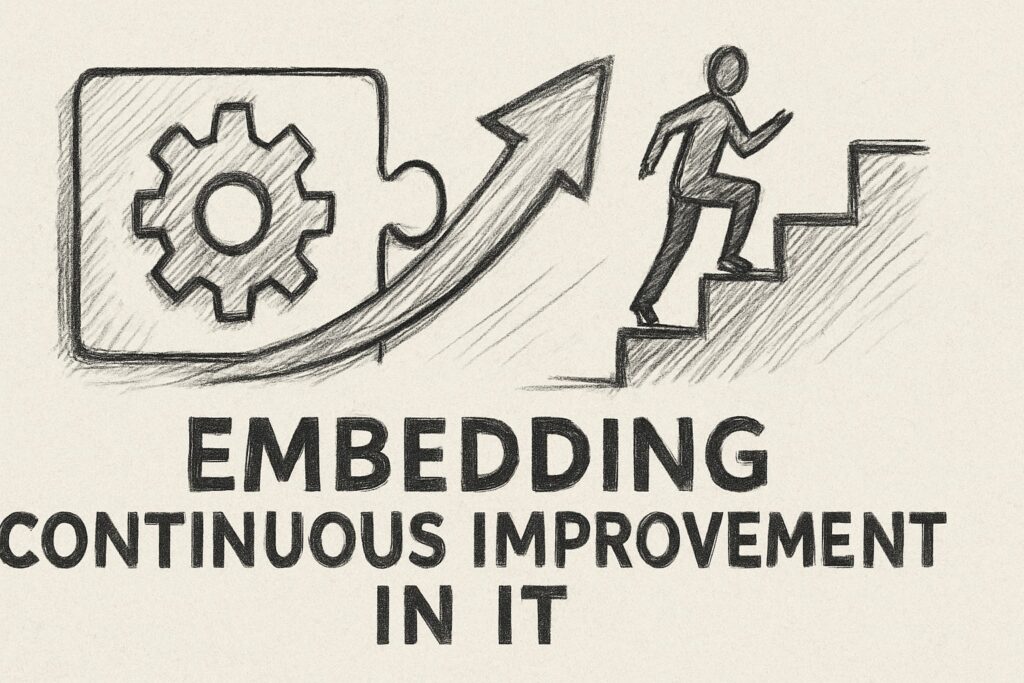
Discover expert strategies for embedding continuous improvement in IT in 2025. Learn proven steps, overcome challenges, and drive innovation for lasting success.
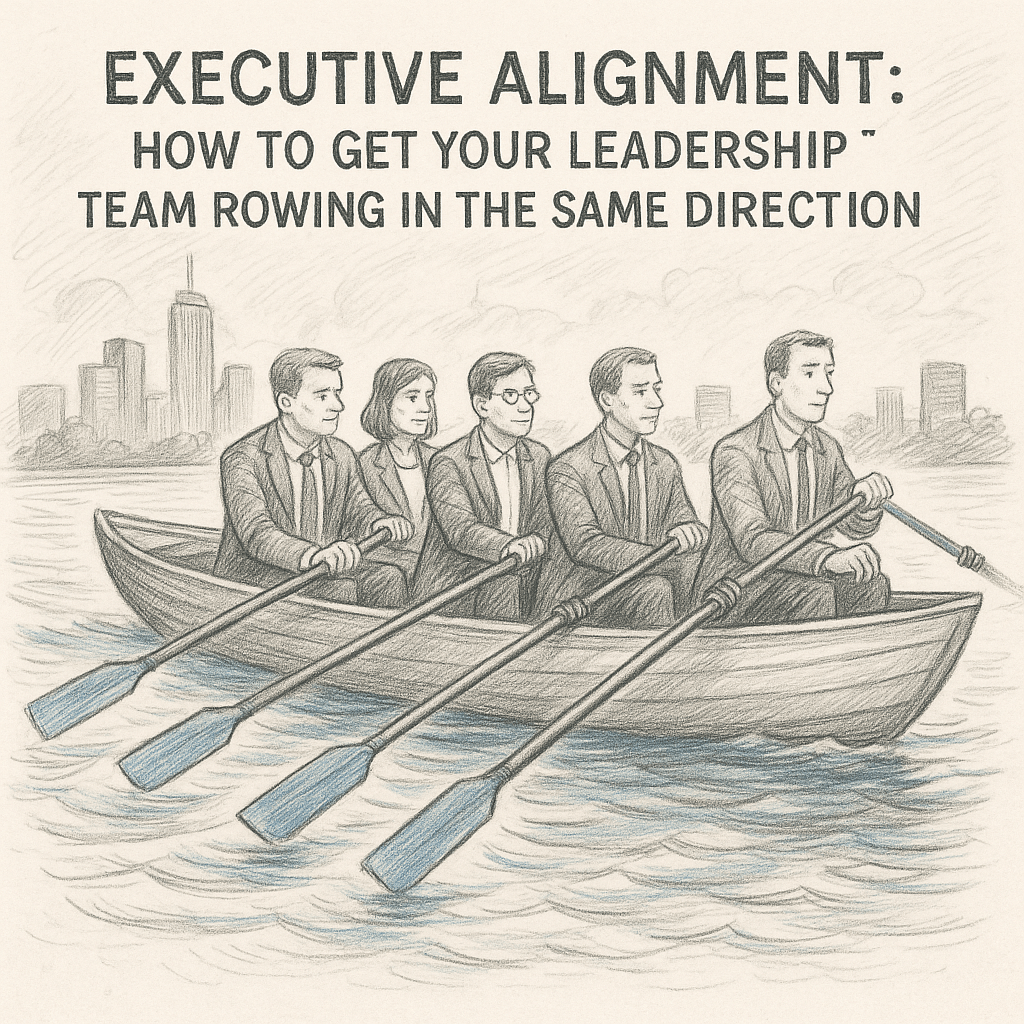
Most CEOs and founders do not wake up thinking, “I need better executive alignment.” They wake up thinking, “Why are decisions so slow? Why are targets slipping? Why is technology so expensive and still so risky?” These frustrations often signal a lack of executive alignment.
You are under pressure to navigate digital transformation and make smart tech bets. Customers expect more, competitors move fast, and investors keep asking hard questions about product, security, and scalability. But you do not have a salaried Chief Technology Officer. Or the one you want
Discover Tech Leadership mastery with unstoppable, practical secrets to inspire teams, crush chaos, and build a high-trust culture that accelerates innovation.
Master technology leadership succession planning for 2025 with actionable steps, key trends, and best practices to ensure business continuity and future readiness.
Master strategic alignment in 2025 with this expert guide Learn proven steps to align vision, technology, and teams for measurable growth and lasting success
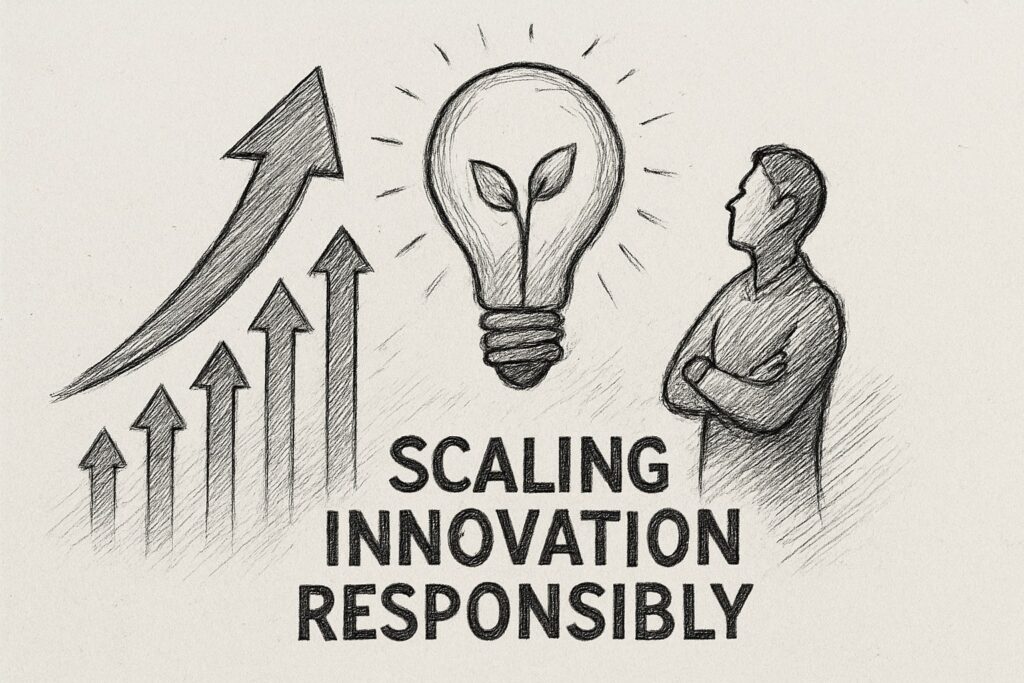
Scale innovation responsibly in 2025 with expert strategies on ethics, compliance, technology, and real-world case studies to drive sustainable growth and value.
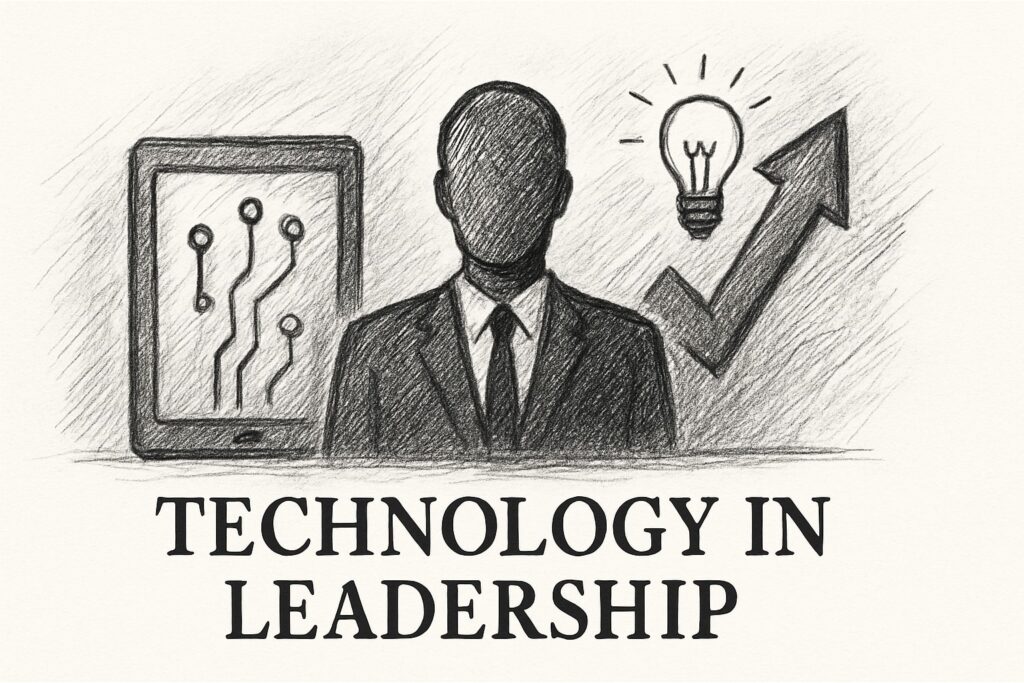
Discover how technology in leadership is transforming the future. Explore key skills, strategies, and trends for leaders to drive innovation and measurable growth.
Discover how using ai to enhance operational resilience empowers your business to predict risks, automate responses, and ensure continuity in 2025 and beyond.
Unlock the power of predictive analytics for executives with this 2025 guide. Learn strategies, overcome challenges, and drive data driven business success today.
Discover actionable strategies for human centered technology leadership in 2025 Learn how to align tech with people drive innovation and create business value
Tyson Martin for CTO Input
Search Leadership Insights
Type a keyword or question to scan our library of CEO-level articles and guides so you can move
faster on your next technology or security decision.
Request Personalized Insights
Share with us the decision, risk, or growth challenge you are facing, and we will use it to shape upcoming articles and, where possible, point you to existing resources that speak directly to your situation.