Practical resources
for justice operations,
data, and digital trust
Practical guidance for mission-driven executives who need clearer systems, cleaner data, and lower privacy risk so they can move faster with confidence.
If your technology team is busy but the business still feels stuck, the problem is usually not effort. It is a mismatch between leadership, support, and oversight. You may have smart people, decent tools, and a long list of projects, but still no clear ownership.

- CTO Input
The chaos in your tech and security teams is not because you have the wrong people or haven't bought the latest tools. The problem is simpler and more costly: your decisions are made without clear owners, forcing your best people to operate in a system
- CTO Input
You’re running on assumptions about your donor and client data. That nagging sense of dread is real. It’s the cost of invisible risk and fuzzy ownership. A single mistake with a spreadsheet or a vendor problem can erode decades of trust you’ve worked to build.
- CTO Input
You have a business continuity plan. It was probably created for an auditor or an insurer. It sits on a shelf, a digital artifact of compliance, costing you silent risk every day it goes untested. When a real crisis hits—a key vendor goes down, ransomware
- CTO Input
The ransomware bill always comes due. You just get to choose when, and how, you pay. You can pay in advance through calm, deliberate preparation, or you can pay a much higher price later, in the chaos of a live attack, with your reputation, customer
- CTO Input
Your technology roadmap isn't yours anymore. It's a patchwork of vendor release cycles, aggressive sales promises, and "urgent" upgrades you're paying to maintain. The cost is more than money. It's the constant chaos, the project delays, and the sense that you are reacting, not leading.
- CTO Input
The contract is over. The final invoice is paid. But months later, you discover the vendor is still in your systems. Not with a password, but through a forgotten API key or an orphaned service account. This isn't a rare oversight; it's a systemic failure.
- CTO Input
Your last board meeting felt off. You presented a deck full of cybersecurity metrics, but the room went quiet. Then came the question that hangs in the air after every one of these updates: “Are we actually secure?” The honest answer is you don’t really
- CTO Input
Your audit committee meetings feel like a recurring nightmare. Smart people present complicated slides, but the core questions remain unanswered: Are we secure? How do we know? This isn't a failure of your team. It’s an operating system problem. When technology and security are misaligned,
- CTO Input
You closed the deal. The financial models looked solid. But three months post-acquisition, the portfolio company’s tech team admits they cannot patch a critical vulnerability without risking a core system outage. The real cost of inadequate cyber diligence is not just a potential breach. It
- CTO Input
Another quarter, another fire drill. An auditor, a new cyber insurance renewal, or a potential investor is asking questions you can't answer cleanly. "Can we prove who has access to customer data?" "What's our plan if a key vendor has a breach?" "How fast can
- CTO Input
Your board is tired. They are tired of slogging through dense, technical reports that leave them with more questions than answers. They see alarming headlines about cyber threats, turn to you for assurance, and ask a simple question: "Are we safe?" The cost of getting
- CTO Input
Your nonprofit holds sensitive information. From donor financials to confidential client records, this data is the lifeblood of your mission. But who, specifically, is accountable for protecting it? If you can’t name one person, you’ve just found a critical risk. It's a vulnerability that has
- CTO Input
If your team keeps adopting new tools while projects remain stuck, you’re not alone. You see the pattern: everything is urgent and nothing finishes. Smart people are working hard, but chaos, fuzzy deadlines, and dropped handoffs are the norm. You assume the problem is the
- CTO Input
Your team is smart. You have invested in security tools. Yet projects stall, vendor risk climbs, and the board is asking questions you cannot answer cleanly. The chaos feels like a constant state of fire drills. Everything is urgent and nothing ever truly finishes. You
- CTO Input
You keep buying security tools, but the mess stays. Access permissions multiply with every new hire, contractor, and software tool, creating a web of invisible risk that quietly taxes your business. When an employee leaves, you hope their access is fully revoked, but you lack
- CTO Input
Your best people are exhausted, critical projects are stalling, and "everything is urgent" has become the daily mantra. You’ve tried wellness programs, but the burnout persists. This isn't a personnel problem. It's an operating system failure. The chaos, delays, and friction are symptoms of a
- CTO Input
You have smart people. You have expensive tools. You even have policies. So why are you still stuck in a cycle of constant fire drills, audit panics, and the nagging feeling that you are one click away from public embarrassment? The cost is real. You
- CTO Input
The uncomfortable truth is you are paying for enterprise architecture tools, yet chaos persists. You face ballooning tech costs, surprise risks, and delayed projects. Your teams are busy creating diagrams, but the boardroom remains blind to the real state of technology. The cost is immense:

- CTO Input
You keep paying for IT infrastructure management tools, yet the chaos continues. Alerts are noisy, ownership is fuzzy, and when something breaks, 'everyone' is responsible, which means no one is. Your team is smart and works hard, but they are drowning in a system where
- CTO Input
Your teams look busy, but critical projects are delayed. You have a gut feeling you're paying for dozens of software tools no one uses, but getting a straight answer on what can be shut down is impossible. Every vendor contract renewal feels like a gamble.
- CTO Input
You keep paying for smart people and good tools, but the mess stays. Your teams are busy, but nothing important ships. Deadlines slip, budgets bloat, and every new project feels like a fire drill. This isn't a sign of a bad team. It's the cost
- CTO Input
You see projects dragging. You watch handoffs get fumbled. Every problem escalates into an all-hands fire drill. You hired smart, capable people and bought good tools, so why does it feel like your organization is running in mud? This is not a people problem. It’s
- CTO Input
The annual audit is done, but the auditors won't issue their opinion. Everything grinds to a halt. Your board starts asking pointed questions. What's the holdup? A single, missing document: the management representation letter. This isn't a friendly suggestion; it's a hard stop. This letter
- CTO Input
You're tired of the chaos. Project delays, constant rework, and a creeping sense of risk have become the norm. Your teams are working hard, but it feels like they’re running in place. When everything is urgent and nothing ever seems to get finished, you’re not
- CTO Input
It's a familiar pattern: another urgent project stalls, another security audit reveals gaps, and another key deadline is missed because of a self-inflicted outage. You have invested in smart people and powerful platforms, yet the day-to-day reality is a series of fire drills. You keep
- CTO Input
A formal change management process is, at its core, a structured way to get your teams, projects, or even your entire organization from where you are now to where you need to be. It is not about managing feelings. It is an operating system for
- CTO Input
A grant report is due, the coalition call is in two hours, and someone asks the question you dread: “Why don’t these totals match?” In justice networks, that moment is common. Legal aid, courts, navigators, and community partners each track the work in good faith,
- CTO Input
Let’s be direct. Your organization is swimming in data, but you can’t trust it, find it, or prove it’s secure. Your teams are arguing over whose report is right, and major projects stall. The cost of this chaos is real, measured in wasted hours, delayed
- CTO Input
An operational resilience assessment for legal aid organizations, centered on legal aid operational resilience, is a plain-language review of what keeps services running when something goes wrong. It focuses on the real chain of work, from first contact to case outcomes, and conducts a business
- CTO Input
You keep hiring smart people and investing in the latest tools, but the chaos doesn't stop. Projects are behind, every task feels urgent, and the near-miss incident last week was a stark reminder of how fragile your operations are. This isn't a people problem. It's
- CTO Input
Monday morning, the self-help queue is already full. A kiosk is down, the forms site is slow, and staff are doing the same intake twice because two systems don’t match. By lunch, someone’s built another spreadsheet “just for this week,” and the reporting deadline is
- CTO Input
The annual scramble to prepare for an audit is a symptom of a deeper problem. It’s a recurring fire drill where teams hunt for evidence, rewrite policies, and hope auditors don’t ask the one question nobody can answer. This last-minute chaos isn't just stressful, it's
- CTO Input
The intake queue is exploding. A partner needs records today. A funder report is due, and your team is already stretched thin. In the middle of that, digital security can feel like an extra project. For civil justice system organizations and civil society organizations (legal
- CTO Input
Your disaster recovery plan is likely a document, not a system. You have smart people and expensive backup tools, but when a real disruption hits, your team is left guessing. Without a clear, pre-agreed deadline for restoring services, every action is a scramble. This chaos
- CTO Input
In December 2025, court services organizations are carrying heavy demand with public consequences. People expect e-filing to work, remote hearings to connect, and self-help services to be available when they need them. There’s almost no tolerance for downtime, and no slack in the staffing model
- CTO Input
Another quarter, another near-miss. A key system flickers, a critical vendor has an outage, or a senior engineer quits with two weeks’ notice. Your team scrambles. They pull all-nighters, burn favors, and through sheer heroics, they keep the lights on. This feels like a win,
- CTO Input
A survivor reaches out from a borrowed phone. Your intake team moves fast, because timing matters. Then a simple mistake lands hard: an advocate auto-forwards an email thread, it goes to the wrong address, and suddenly a client’s location and case details are exposed. In
- CTO Input
Your disaster recovery plan is likely a document, not a capability. It sits in a shared drive, untouched since the last audit, creating a dangerous illusion of safety. When a real crisis hits, this document will fail. Your team will scramble, customers will suffer, and
- CTO Input
Your intake queue is exploding, a training partner needs an export by Friday, and a funder report is due with numbers that don’t reconcile. Then a vendor emails, “We updated our platform with new AI features.” Your team didn’t ask for that. Now it’s your
- CTO Input
You have binders, spreadsheets, and Word documents labeled 'Business Continuity Plan.' Smart people wrote them. Yet, when a vendor goes down or a key system fails, the response is a frantic scramble. The plans are static, disconnected from daily operations, and useless for proving readiness
- CTO Input
Your intake queue is climbing. A partner wants an answer today. A funder report is due, and the numbers don’t tie out. Then the executive director change happens, and every open thread suddenly feels urgent. In an executive director transition, the hidden risk isn’t only
- CTO Input
Your intake queue is overflowing. A partner needs access to a shared platform today. A funder due diligence form lands in your inbox, asking about encryption, vendor risk, and incident response, with a deadline you can’t move. In capacity building organizations, you’re not only protecting
- CTO Input
That thick binder labeled "Business Continuity Plan" on your shelf? It’s a liability. You paid a consultant or tasked a team to create it. You pull it out for audits. But when a critical system actually goes down at 2 a.m., no one reaches for
- CTO Input
You know the moment in non-profit organizations dedicated to capacity building. A report is due, a funder wants clean numbers, and three program leads send three different versions of “served” and “completed.” Staff scramble. Someone rebuilds a spreadsheet late at night. The numbers still don’t
- CTO Input
You have a thick binder on the shelf labeled "Crisis Plan." It feels like you're prepared, but when a real crisis hits—a system-wide outage, a major vendor breach, or a supply chain collapse—that static document is the first casualty. The frantic, late-night calls begin, and
- CTO Input
When growth, a sale, or new capital is on the table, your technology organization gets tested fast. The weak spots that were easy to live with yesterday become the first things people notice today, ownership gaps, messy systems, weak reporting, tool sprawl, and vendors who


- CTO Input
Your navigator team didn’t get hacked, but a vendor did. Now your intake tool is down, texting is unreliable, or a cloud folder with client documents might be exposed. This sparks an incident response scramble. Staff are asking what to say. Courts and partners want
- CTO Input
The grant report is due, and the numbers don’t reconcile. Program data is split across tools, and security updates live in a separate world. Someone asks, “Are we safe?” and the only honest answer feels like, “I think so.” This is where an executive-level cyber

- CTO Input
Your team is smart. You’ve invested in tools. Yet, every technical issue seems to escalate into an all-hands fire drill, derailing projects and eroding the trust of customers and your board. The alerts never stop, ownership is fuzzy, and decisions made under pressure don’t stick.
- CTO Input
Investors are tired of hearing the same pitch: “We’re moving to the cloud, using AI, and modernizing systems.” Most of those pitches blur together or collapse into jargon. What stands out is not the stack, it is the story behind it. For a non-technical CEO
- Tyson Martin for CTO Input
That late-night alert isn't just a technical problem. It’s the start of a frantic, middle-of-the-night scramble that pulls executives into chaotic calls and ends with fumbled answers to your board and insurers. You keep paying for new security tools, but the mess stays the same.
- CTO Input
If your legal aid intake queue is exploding and a funder report is due, nonprofit cybersecurity can feel like a “later” problem. Until an account takeover locks you out of email, a ransomware note freezes a shared drive, or a data leak puts a client
- CTO Input
An incident response readiness assessment is not another report to file. It is a live-fire exercise that reveals the dangerous gap between the plan in your binder and what your team can actually do when a crisis hits. It is the only way to shift
- CTO Input
Legal aid organizations face a constantly growing legal aid intake queue, which undermines access to justice for those who need it most. Requests arrive by phone, web, email, walk-ins, partner referrals, even social media. Staff do their best, but urgency gets missed, notes end up
- CTO Input
You’ve invested in smart people and expensive security tools, yet the organization’s biggest vulnerability is still a single, unintentional click. A clever phishing email is all it takes to derail strategic projects, consume leadership's time with fire drills, and shatter the trust you've worked hard
- CTO Input
You already know AI is in your company. Sales is pasting customer data into chatbots. Finance is testing spreadsheet add-ins. Your vendors keep pitching “AI-powered” features. Without guardrails, every one of those experiments can turn into a data breach, a compliance headache, or a disappointed
- Tyson Martin for CTO Input
The intake queue is exploding. A court partner sends walk-ins, like those seeking housing legal help, you didn’t expect. Your hotline script is different from your online form. Staff spend half the day re-asking the same questions, then trying to “place” cases through a chain
- CTO Input
On Monday, intake is exploding. On Tuesday, a partner says they never got the referral packet. On Wednesday, a funder report is due and the numbers don’t reconcile. By Friday, someone says, “We should fix the system,” and everyone nods, because it’s true. Then nothing
- CTO Input
The renewal email lands in your inbox when intake is already backed up, a report is due, and a vendor just changed their portal again. Now your broker wants answers fast. Multifactor authentication? Backups? Incident response plan? Vendor controls? You know the work is happening,
- CTO Input
You've invested in firewalls, endpoint protection, and maybe even a powerful SIEM system. Yet, the nagging feeling of exposure won't go away. Your board is asking tougher questions, your cyber insurer wants proof of control, and every near-miss feels less like a win and more
- CTO Input
The moment you suspect a security breach, the room changes. Phones ring. Someone’s email “did something weird.” A partner asks if they should stop sending referrals. Staff are scared, because clients could be at risk. In justice work, a breach isn’t just an IT problem.
- CTO Input
Switching the team that runs your company’s IT is a little like changing the tires on a moving car. It’s possible. It’s common. It can also go sideways fast when nobody owns the plan. If you’re switching MSPs, your real goal isn’t “a better provider.”
- Tyson Martin for CTO Input
Hook: Chaos Costs Millions and Erodes Trust Last quarter a finance leader learned that a third-party marketing plugin exposed customer data. The unexpected breach froze projects, drained budget, and shook the board’s confidence. The true cost wasn’t the plugin fee or the legal bill. It
- CTO Input
The intake queue is already too long. A court deadline is already too close. Then someone says the words that make your stomach drop: files are locked, systems are down, a ransom note appeared. For legal aid, court self-help, navigator programs, and justice-support nonprofits, Ransomware
- CTO Input
The SaaS tool renewal you just auto-approved is more than a line item. It’s an open door into your network, your data, and your customers' trust. Third-party vendor risk management is the discipline of ensuring those doors are managed with intention, not left open by
- CTO Input
On paper, the deal looks perfect. The financials are solid, the market opportunity is clear, and the legal review is clean. But a multi-million dollar surprise is often buried in the target's technology, a quiet liability waiting to detonate right after you close. Suddenly, a
- CTO Input
If your business depends on technology for growth, customer trust, reporting, and risk control, technology is no longer a background task. It sits in the middle of the business, right next to margin, speed, and your ability to defend decisions. That means you should not
- CTO Input
Most companies don’t get breached because they “forgot security.” They get breached because passwords spread like loose change, pockets, couches, backpacks, old laptops, and the one shared spreadsheet everyone swears is temporary. A strong enterprise password manager is one of the fastest ways to reduce
- Tyson Martin for CTO Input
The intake queue is exploding. A key partner is asking for an update you don’t have yet. Your case management system is slow or down. A court deadline is coming fast. Everyone’s working hard, but work keeps bouncing between inboxes, spreadsheets, and hallway conversations That’s
- CTO Input
It’s 4:45 p.m. Intake is backed up. A partner asks for a file “right now.” Finance needs numbers for a funder update. Then someone forwards a strange email that looks like it came from a court address, underscoring the operational security challenges nonprofit organizations face
- CTO Input
The intake queue is exploding. A partner needs a same-day handoff. A funder report is due, and the numbers don’t reconcile. In that pressure, privacy turns into a cleanup job. A rushed form. A shared spreadsheet. A “temporary” folder that becomes permanent. For justice nonprofits
- CTO Input
It’s 4:30 pm. A funder metrics request lands with a deadline you can’t negotiate. Someone exports “the list” from the case system. Someone else exports a different list from a different screen. A third person has the “real” numbers in a spreadsheet tab named FINAL_v7.
- CTO Input
Your team is running a recurring fire drill. It’s the end of the quarter, and a major funder report is due. The data you need is scattered across three different spreadsheets, a legacy case management system, and a dozen staff inboxes. The numbers don't quite
- CTO Input
The intake queue is up again. A partner referral fell through because the handoff email went to the wrong list. A funder report is due Friday, and the numbers don’t reconcile across three spreadsheets and two systems. Then someone asks a fair question in the
- CTO Input
It’s the end of the quarter. A major funder needs your impact report, and the recurring fire drill begins. Your team is scrambling to pull data from a dozen different places: a grant tracking spreadsheet here, a shared drive there, and critical case details buried
- CTO Input
Your team knows the work advancing access to justice is real. The client stories are real. The need is relentless. Then the grant report is due, and the numbers feel shaky. Totals change between drafts. A case count doesn’t match the narrative. Finance asks why
- CTO Input
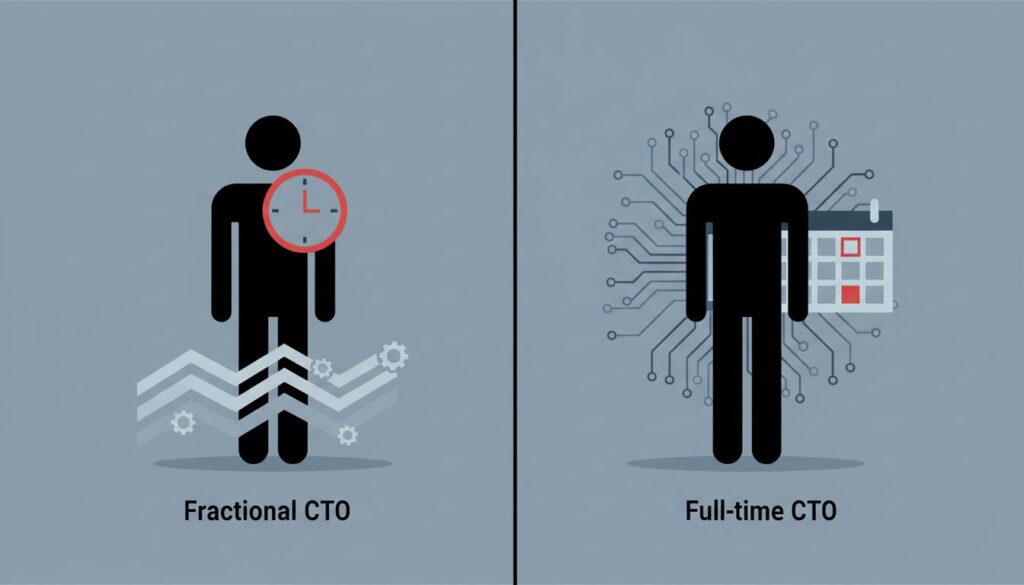
Tension between your CTO and the rest of the leadership team is draining. Sales wants features, operations wants stability, finance wants lower spend. Your CTO keeps talking about risk, scale, and technical debt. At times, it feels like they are slowing the whole company down.
- Tyson Martin for CTO Input
Shadow IT is not a side issue anymore. It is sitting right in the middle of your risk, cost, and innovation agenda. Across mid-market companies, more than half of SaaS apps are now unsanctioned or unknown to IT. Shadow AI use is rising fast, with
- Tyson Martin for CTO Input
It’s the end of the quarter, and that big grant report is due. Your team is in a mad scramble, pulling numbers from three different spreadsheets, a clunky case management system, and a separate intake tool. Nothing matches up. Confidence in the numbers is plummeting,
- CTO Input
Most leaders have had that sinking feeling when a big vendor quote lands in the inbox. The number is huge, the jargon is thick, and your gut says it is high, but you are not sure how to push back without blowing up the relationship.
- Tyson Martin for CTO Input
Your business can survive a bad quarter. It cannot survive losing customer trust week after week because systems keep going down. Uptime is not an IT hobby. It is a promise to customers, lenders, and your board about how reliable your company really is. When
- Tyson Martin for CTO Input
Cybersecurity isn't just an IT problem for legal aid organizations—it's a direct threat to your mission, your clients' trust, and your obligations to funders. The constant anxiety over a potential data breach or a system failure is a real burden. The path forward isn't another
- CTO Input
Digital Transformation Strategy For Legal Partner Organizations (shared handoffs without lost trust)
A referral comes in. A navigator texts a warm handoff. A court self-help desk sends someone to legal aid. Law firms like pro bono organizations agree to consult. Then the trail goes quiet. No one knows if the client was reached, if consent was captured,
- CTO Input
The intake queue is growing, the monthly close is late again, and a vendor ticket is stuck in “we’re looking into it.” You don’t have time for another vendor meeting that ends with polite promises and no change. A vendor scorecard gives you a calm,
- CTO Input
Most boards do not care how elegant your architecture is or how clever the AI model might be. What they want is a simple, believable way to see where each dollar goes, and why. That is the heart of The Investment Priority Framework Boards Actually
- Tyson Martin for CTO Input
Your intake queue is up again. A partner sent a referral, but it landed in someone’s inbox, not your system. A funder report is due, and the numbers don’t reconcile across case notes, spreadsheets, and the CRM. When leaders say “data silos,” they’re rarely talking
- CTO Input
It's the end of another quarter, and the grant reporting fire drill is in full swing. Your program manager is stitching together three different spreadsheets to get the numbers for your biggest funder, your intake coordinator is manually re-entering client data into a separate database
- CTO Input
- Tyson Martin for CTO Input
Most organizations are carrying a familiar load. Too many tools. Too many urgent asks. Not enough staff time to breathe, let alone rebuild systems the “right” way. And the stakes aren’t abstract. If client data leaks, people can be harmed. If intake routes fail, people
- CTO Input
People do the right thing. They go to court self-help, the emergency department of legal services, ask for guidance, fill out forms, and try to follow instructions. Then the chain breaks. The next step might be legal aid, a navigator program, mediation, housing support, substance
- CTO Input
The board asks a simple question: “Where are we exposed on technology and cyber risk?” You know there are issues, but the spreadsheets you get from IT are dense, technical, and hard to explain. You end up summarizing by feel, not from a shared, trusted
- Tyson Martin for CTO Input
The frantic, last-minute dash to meet a grant reporting deadline is a recurring fire drill for leaders in justice organizations. This isn't a sign of a failing team; it's the predictable outcome of rapid growth built on fragile, disconnected systems. Staff spend too much time
- CTO Input
- Tyson Martin for CTO Input
You are a CEO who is spending more on tech and getting less back. Margins are tight, IT and cybersecurity bills keep rising, and every board packet adds a new set of questions you cannot answer in one clear slide. Projects start with big energy,
- Tyson Martin for CTO Input
Are you funding a growth engine or just feeding a very expensive utility bill? Most growth-minded CEOs feel the same tension. Tech costs keep climbing, projects pile up, and yet the board still asks why customer experience is flat and cyber risk feels vague. The
- Tyson Martin for CTO Input
Your intake queue is full. A referral partner needs a same-day handoff. A staff member forwards a document “just this once” to keep a client from falling through the cracks. These everyday pressures underscore the critical need for a comprehensive data security strategy. That’s how
- CTO Input
A technology roadmap for a civil rights organization isn't just a technical document; it's a plan to move your operations from reactive chaos to a calm, mission-aligned strategy. It’s about pinpointing the real bottlenecks in your daily work—like client intake or funder reporting—and building a
- CTO Input
- Tyson Martin for CTO Input
You are a CEO or COO who is spending more on tech and getting less clarity in board meetings. You walk in with thick packets, scattered reports, and charts that even your head of IT struggles to explain. The board asks simple questions about cyber
- Tyson Martin for CTO Input
Search Leadership Insights
Type a keyword or question to scan our library of CEO-level articles and guides so you can move
faster on your next technology or security decision.
Request Personalized Insights
Share with us the decision, risk, or growth challenge you are facing, and we will use it to shape upcoming articles and, where possible, point you to existing resources that speak directly to your situation.