
Who Can Move Your Money, and Who Can Stop Them?
Map who can initiate, approve, change and stop payments, including automated access, named owners and safe testing.
Who Can Move Your Money, and Who Can Stop Them? Read More »

Map who can initiate, approve, change and stop payments, including automated access, named owners and safe testing.
Who Can Move Your Money, and Who Can Stop Them? Read More »

Before you trust product usage data, establish where it comes from, what each metric counts, and whether it reconciles with customer and financial records. Software activity can inform revenue decisions, but it doesn’t establish revenue, customer value, or renewal intent on its own. Your exposure grows when uncertain numbers enter forecasts, pricing decisions, or board
Product Usage Data: A CFO’s Trust Checklist Read More »

A cybersecurity assessment should connect business impact, evidence quality, unknowns, remediation effort and ownership to the investment committee’s decision.
What Should a Cybersecurity Assessment Tell an Investment Committee? Read More »

Connect the investment thesis to business capabilities, accountable owners, a combined operating model, and evidence-based readiness decisions after an acquisition.
The deal closed. Now the difficult work of integrating the companies begins. Read More »
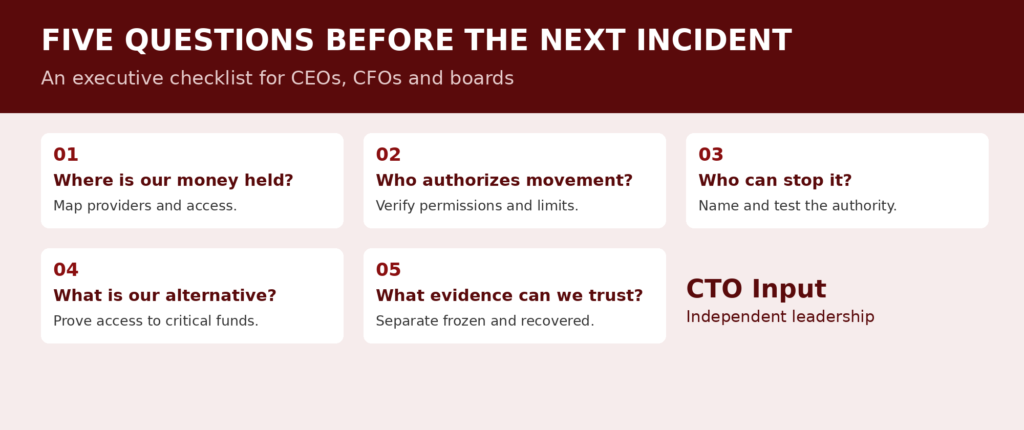
Five questions help CEOs, CFOs and boards review financial access, transfer authority, emergency decisions and continuity before a provider disruption.
The Binance Hack: Five Questions Every Business Leader Should Ask Read More »

Assess technology leadership through clear business choices, accountable execution and evidence of progress, not technical expertise alone.
Why Being Technically Right Is Not Enough to Be an Effective Technology Executive Read More »
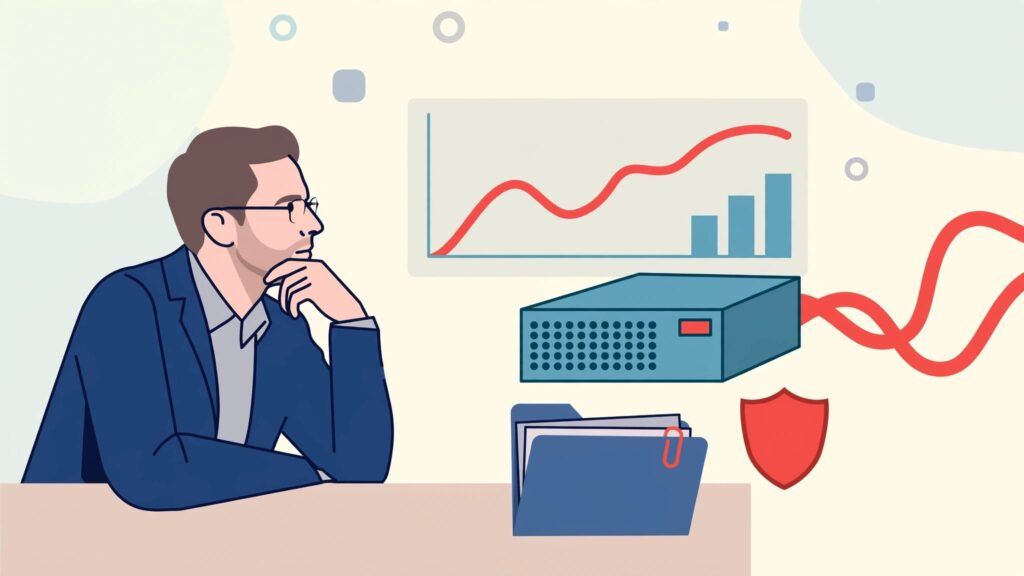
You can assess technology vendor financial health by reviewing its cash, debt, collections, and profit trends alongside independent credit information. Then connect those findings to the business consequences of losing the service. A vendor can meet yesterday’s commitments while losing the financial capacity to meet tomorrow’s. Your goal is early visibility, with enough time to
How CEOs Can Assess a Technology Vendor’s Financial Health Read More »

Give the board a clear record of cybersecurity choices: business exposure, management’s recommendation, evidence, accountable owners and review dates.
A Cybersecurity Board Report That Leads to Decisions Read More »
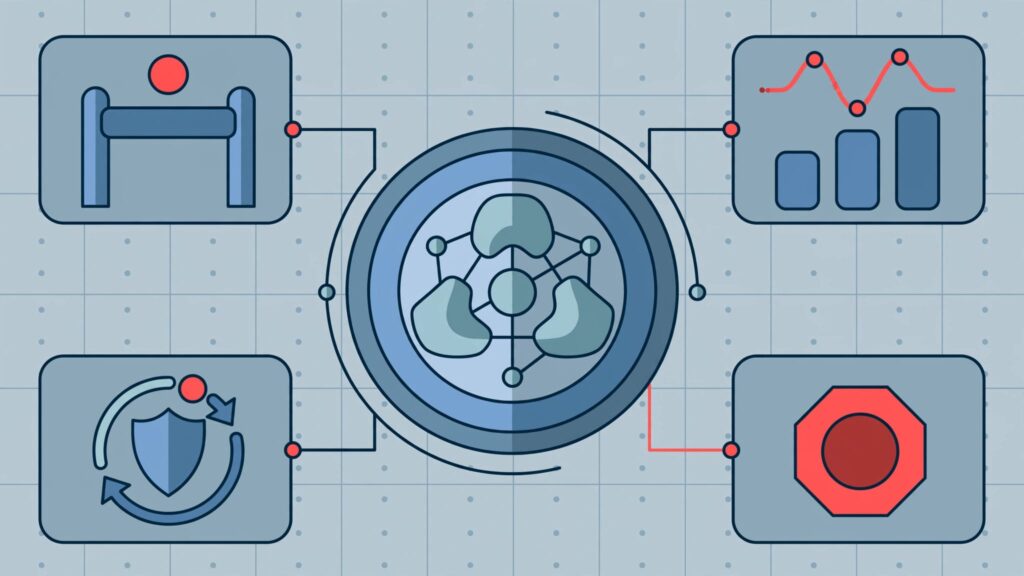
You should govern AI model changes through named owners, risk-based approval gates, production monitoring, and a tested way to stop unsafe behavior. AI model governance needs to continue after launch because updates can change customer outcomes, operating costs, and business exposure. Your role is to establish decision rights and risk boundaries without becoming the release
AI Model Governance: CEO Controls After Launch Read More »

Clarify customer security requests, verify evidence and assign decisions before making commitments your business cannot support.
A big customer is asking security questions we can’t answer. What should we do? Read More »