Practical resources
for justice operations,
data, and digital trust
Practical guidance for mission-driven executives who need clearer systems, cleaner data, and lower privacy risk so they can move faster with confidence.
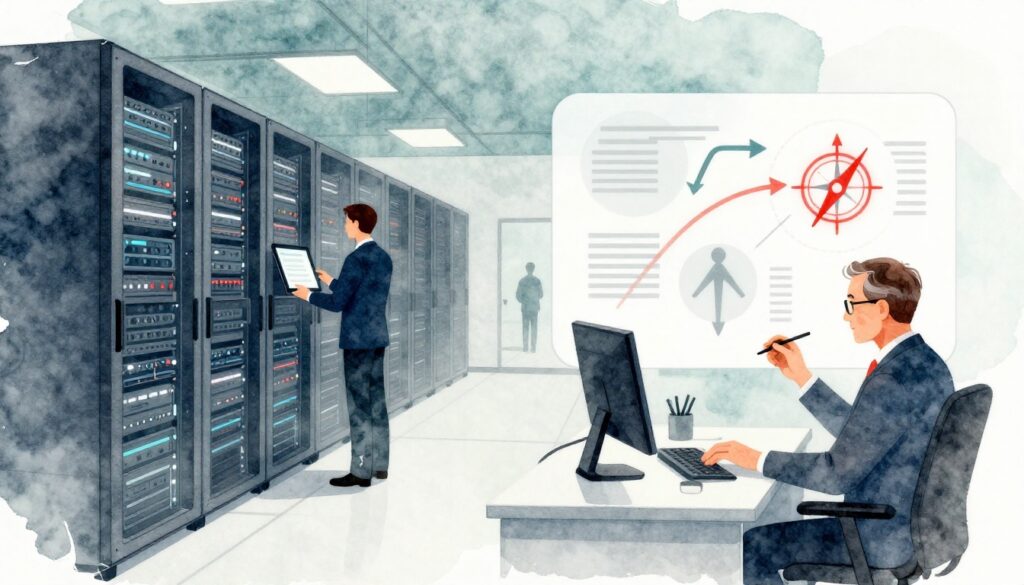
Your intake queue is already full with security incidents. A funder report is due. Then someone says, “I think we’ve had a security breach.” In the first hour of a suspected cyber attack, leaders feel the squeeze. Facts are partial. People want instant answers. The
- CTO Input
You're living it: the frantic scramble for grant reports, the anxiety over scattered, sensitive client data, and the staff burnout from endless manual workarounds. Your organization grew fast on top of fragile systems, and now case data is fragmented across tools that don't communicate. This


- CTO Input
A SaaS Outage Communication Plan For Nonprofits (Templates for Staff, Partners, Courts, and Funders)


The intake queue is climbing, a filing deadline is hours away, and the tool you depend on won’t load. In legal aid and justice-support work, Software as a Service (SaaS) failures happen. The bigger risk is what comes next: silence, mixed messages, and workarounds that

- CTO Input
Executive coaching for digital strategy in a justice-focused organization is less about the tech and more about the mission. You're living with the daily consequences of fragile systems—scattered case data, recurring reporting fire drills, and the constant risk to sensitive information. Most of all, you

- CTO Input
Your intake queue is growing, staff are tired, and a funder wants a clean answer: “How are you using AI, and how do you keep it safe?” Meanwhile, a well-meaning team member has already turned on an AI feature in a tool that touches client
- CTO Input
You can feel the pressure building. Customers expect smarter service, your competitors talk about AI on every earnings slide, and your board is starting to ask pointed questions. But you do not have a CIO. You have a lean IT team, a few hungry managers,
- Tyson Martin for CTO Input
In mission-driven organizations focused on justice, intake is backed up. A partner handoff failed. A report is due, and the numbers don’t reconcile. If you’re an executive director leading a justice nonprofit, you know the feeling: important work moving through fragile systems, often amid leadership
- CTO Input
It’s Thursday afternoon, and your biggest funder needs an impact report by tomorrow. Your team is in a familiar scramble, stitching together numbers from three different spreadsheets, a clunky case management system, and a separate intake tool. The numbers never quite line up, your best
- CTO Input
- Tyson Martin for CTO Input
Your team didn’t choose legal services because you love filing systems. You chose it to help people through high-stakes moments. But the intake queue grows, staff copy and paste notes across tools, and every year brings a new report, audit, or public records question. Meanwhile,
- CTO Input
The intake queue is growing, a partner needs a quick data pull, and a funder report is due Friday. You open the spreadsheet, then the case system export, then the shared drive folder someone swears is “the real one.” The numbers don’t match, and no
- CTO Input
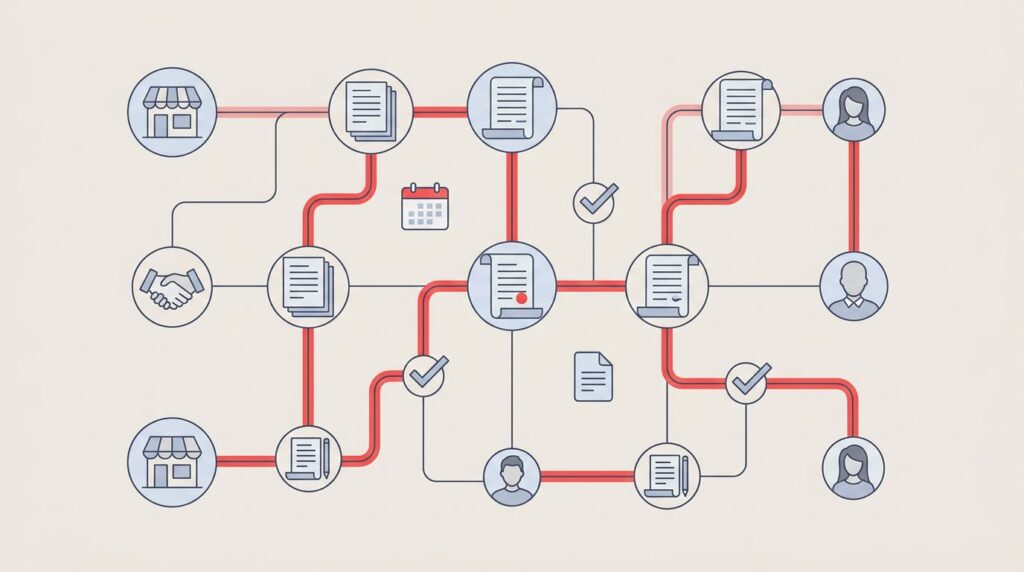
The intake queue is full. A court navigator program makes a “warm handoff.” A partner says they’ll follow up. Then the trail goes quiet, disrupting access to justice. In justice support networks, that quiet can mean a self-represented litigant missed a deadline, lost housing, returned
- CTO Input
An intake specialist scrambles. A client with Limited English Proficiency (LEP) is on the line with a time-sensitive issue, but the on-call interpreter is unavailable. The resulting delay leads to a missed deadline, a critical miscommunication, or worse, a denial of service. This scenario isn't
- CTO Input
- Tyson Martin for CTO Input
Your intake queue is exploding. A grant report is due. A partner needs a file today. Then someone gets phished, or you notice a login from a remote work location no one recognizes, and suddenly MFA becomes urgent. This is where “big bang MFA” goes
- CTO Input
You have a problem that shows up in every conversation about AI adoption. Leaders know they need to explore it. They see the potential. They read the articles about productivity gains and cost reduction. Then they sit in a meeting and someone asks where to
- CTO Input
The intake queue is up. A partner needs a same-day handoff. A client is waiting on a document that can’t be found because it’s “in someone’s email.” That’s what the backbone looks like in real life: intake forms, case notes containing bulk sensitive personal data,
- CTO Input
It’s 8:05 a.m. on a Monday. Your self-help intake form won’t load, your scheduling portal throws errors, and the “download the packet” links on your website point to blank pages. Staff try the usual fixes. Someone messages a vendor. Someone else restarts a browser and
- CTO Input
It’s the end of the quarter, and a crucial grant report is due. Your team is in a full-blown scramble, trying to pull data from a dozen different partner organizations, each with its own incompatible spreadsheets and bespoke case management systems. This frantic fire drill
- CTO Input
- Tyson Martin for CTO Input
Your intake queue is swelling amid the justice gap. A partner referral went cold because no one saw it. A funder report is due, and three spreadsheets disagree. That’s not a staff problem. It’s a workflow problem. Spreadsheets are good duct tape, until they quietly
- CTO Input
The intake queue is climbing. A funder report is due. A vendor is pushing a “must-sign-this-week” renewal. Someone asks about AI tools. Another person asks, quietly, “Are we safe if there’s a data breach involving client personal information?” In moments like that, leaders don’t need
- CTO Input
If you're leading an access-to-justice organization, you know the feeling. The constant, low-grade anxiety about data breaches after a funder sends another intimidating security questionnaire. The weight of protecting incredibly sensitive client information—from immigration status to incarceration records—is exhausting. The grant reporting deadlines feel like
- CTO Input
- Tyson Martin for CTO Input
The intake queue is growing. A partner sends a file the wrong way. A funder asks for numbers by Friday, and nobody trusts the spreadsheet. Meanwhile, everyone knows a security incident would land harder here than in most workplaces, because you hold sensitive client data
- CTO Input
The intake line hits a wall at 10:05 a.m. Calls stack up. Voicemails pile up. A person with a court date tomorrow tries again and again, then gives up. Later, staff find a note, half-written, with no call-back number. Everyone feels the same sinking thought:
- CTO Input
It’s 10 PM on a Thursday. A critical grant report is due, and you're stuck manually stitching together client data from three different spreadsheets, none of which quite match up. If that scenario feels painfully familiar, you're not just dealing with a technology headache; you're
- CTO Input
- Tyson Martin for CTO Input
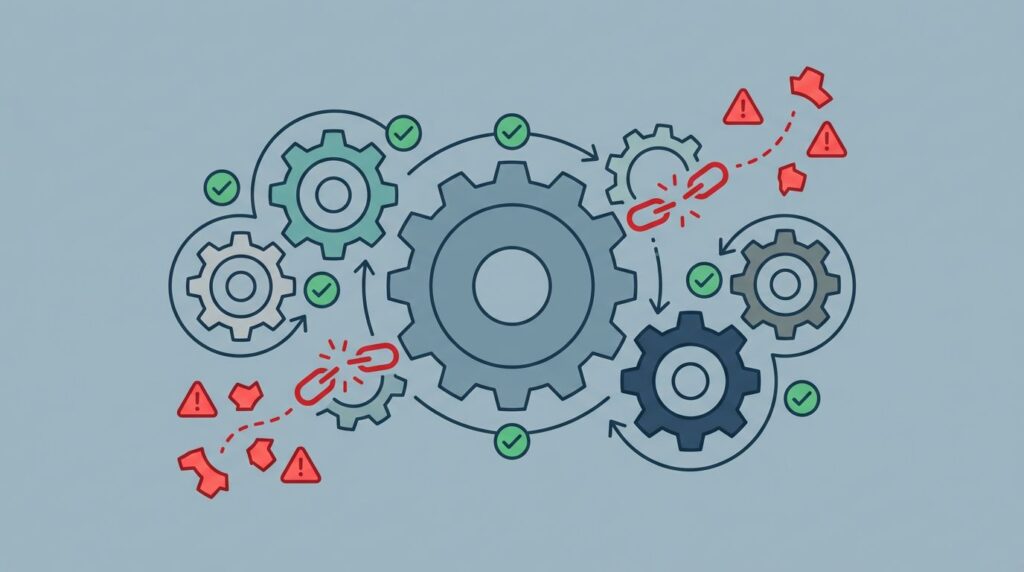
Your intake queue is exploding, a partner asks if you were breached, and someone on staff can’t access the case system. In that moment, the biggest risk usually isn’t “hackers.” It’s confusion: unclear roles, slow decisions, and nobody sure what to say to clients, courts,
- CTO Input
It’s the end of the quarter, and a major grant report is due. Your team is in a frantic scramble, pulling data from a dozen conflicting spreadsheets. This panic isn't just a sign of a busy month; it's a symptom of fragile, disconnected systems that
- CTO Input
- Tyson Martin for CTO Input
Selling your company or taking on a new investor is one of those once-or-twice-in-a-career moves. You get one shot to make the story clear, the numbers believable, and the risk profile calm enough that buyers lean in rather than pull back. The problem is that
- Tyson Martin for CTO Input
A funder report is due, and the program data is scattered across five different spreadsheets. A critical client handoff between two remote advocates was missed because of a confusing email thread. Your IT vendor fixed a server, but staff still can't access sensitive case files
- CTO Input
- Tyson Martin for CTO Input
Look at your calendar for next week. Is it a map of your strategy, or a graveyard of random meetings? Great CEOs are defined as much by what they say no to as by what they say yes to. The best leaders are brutal about
- Tyson Martin for CTO Input
Your team carries stories, full of sensitive data, that can’t safely “leak.” Names. Addresses. Court filings. Immigration status. Shelter locations. Notes from an intake call that someone trusted you with, once, at their worst moment. A cyber incident in a justice nonprofit isn’t just an
- CTO Input
For nonprofits dedicated to justice, a Privacy Impact Assessment (PIA) isn't just another compliance task. It's a formal process for spotting and reducing privacy risks whenever you launch a new project or adopt a new system that handles personal data. More importantly, it's a vital
- CTO Input
- Tyson Martin for CTO Input
Monday, 9:12 a.m. The intake inbox is already a few hundred messages deep. Voicemails stack up. A partner emails, “Any update?” Someone flags a court deadline that was never captured in the first call. Intake staff do what they always do, they sprint, they improvise,
- CTO Input
It’s the end of the quarter, and that big grant report is due. Your team is painstakingly stitching together data from a dozen different spreadsheets and databases emailed over by partner organizations. Nothing lines up. Outcomes are nearly impossible to track, and your best people
- CTO Input
- Tyson Martin for CTO Input
Your phone rings. Someone says, “We think we’ve been breached.” In the next ten minutes, you’ll feel the pull to “fix it fast,” to secure your systems. Reset passwords. Rebuild a server. Ask a vendor to clean things up. That instinct is human. It’s also
- CTO Input
You are not crazy. Technology really has become loud, expensive, and hard to read. Every vendor promises transformation. Your teams ask for new tools. Projects stall. Security keeps popping up in board meetings. At the same time, you are not sure if you are overspending
- Tyson Martin for CTO Input
For leaders at justice-focused organizations, a knowledge management system is much more than software. It’s a strategic discipline for capturing, protecting, and using the vital institutional knowledge your team builds every day. Done right, it moves you past scattered spreadsheets and last-minute reporting scrambles to
- CTO Input
- Tyson Martin for CTO Input
Your projects run long. The budget keeps creeping up. The board keeps asking, “Why are we doing this again?” You are not alone. Around 70% of digital transformation projects miss their goals, and large projects often run more than 40% over budget while delivering far
- Tyson Martin for CTO Input
An audit email comes in while your intake queue is already loud. A funder wants backup for payroll, a procurement note, and the “final” program report version. Someone says, “I think it’s in my email.” Someone else says, “We renamed that folder last year.” This
- CTO Input
If you lead a mid-market company, your IT and security spend probably looks big, messy, and hard to judge. You get reports, maybe some dashboards, but you still wonder: is this good, bad, or just expensive? The real question is not how many numbers you
- Tyson Martin for CTO Input
It always starts with a frantic scramble for data, usually five minutes before a board meeting. Or maybe it’s the quiet, simmering burnout of a program manager who spends more time battling spreadsheets than actually supporting pro bono attorneys. The reporting panic is real, and
- CTO Input
- Tyson Martin for CTO Input
You probably know this leader. Smart, driven, cares deeply about the company. They can tell you how many trouble tickets are open, which ones are blocked, and who is late on estimates. They feel proud because they are “on top of the work.” On the
- Tyson Martin for CTO Input
If you are quietly thinking, “Our technology is chaotic how do I fix it?”, you are in good company. Most mid-market companies now run on hundreds of tools, vendors, and “temporary” fixes that never went away. Board decks fill up with acronyms. Your team keeps
- Tyson Martin for CTO Input
You feel it every quarter. Technology spend keeps rising, risk questions from the board keep getting sharper, and yet your systems still slow the business down at the worst moments. If you lead a 10 to 100 million dollar company, you do not have room
- Tyson Martin for CTO Input
When you're upgrading your legal tech, an implementation partner acts as your guide, helping your organization navigate the entire modernization process. This isn't just about installing software. A genuine partner digs in to align new technology with your core mission, refines your team's daily workflows,
- CTO Input
- Tyson Martin for CTO Input
You already spend real money on technology. Yet projects slip, outages repeat, and your board keeps asking questions you cannot answer with confidence. At some point, every growth-focused CEO reaches the same fork in the road: do you bring in a fractional CTO to own
- Tyson Martin for CTO Input
You probably felt a real sense of relief when the SOC 2 report landed in your inbox. The board stopped asking quite so many questions, sales said deals were moving faster, and your team finally had something “official” to point to. That relief can quietly
- Tyson Martin for CTO Input
A vendor risk management assessment is the process of identifying, evaluating, and reducing the risks your third-party suppliers and partners introduce. For any organization, this is a critical discipline. But for justice-focused organizations serving vulnerable communities, it's a non-negotiable responsibility. You must ensure a vendor's
- CTO Input
- Tyson Martin for CTO Input
At 4:47 p.m., the voicemail light is still blinking. Someone left a message about an eviction notice. Another caller says they missed court paperwork because they “couldn’t get through.” A staff member has a sticky note with a number they meant to call back, but
- CTO Input
The intake queue is already too long. A clinic is tomorrow. A funder report is due Friday. Then someone leaves, planned or not, and your team realizes the quiet risk: they still have access to client files, shared inboxes, and partner portals. Offboarding isn’t an
- CTO Input
If your court services team in public-sector organizations supports self-help desks, navigators, ADR, victim services, interpreter coordination, or clerk support, you already know the work is time-sensitive. It’s also trust-sensitive. When systems fail, real people miss deadlines, lose appointments, or can’t reach help. A public
- CTO Input
Your inbox is full, the quarter-end push is loud, and your next renewal call is already on the calendar. Then a funder asks the question that always lands with weight: “What did our gift actually change?” You know the work changed lives, but the data
- CTO Input
In 2025, saying “I’m not technical” out loud in a board meeting lands very differently than it did five years ago. AI is reshaping work, cloud spend is eating into margins, and a single cyber incident can stop revenue for days. Investors, lenders, and regulators
- Tyson Martin for CTO Input
Does this sound familiar? A grant report is due this afternoon, but the program data is scattered across three different spreadsheets and a clunky database that doesn’t talk to anything else. An urgent security alert pops up—a potential breach of sensitive client information. To top
- CTO Input
- Tyson Martin for CTO Input
The report is due tomorrow. A partner asks for a status update. A client calls back with one more detail that changes the next step. Meanwhile, staff are retyping the same facts into a court form, a referral email, and a funder spreadsheet, hoping nothing
- CTO Input
It starts as a simple question: “Where is this case?” A staff member asks it. A partner asks it. Sometimes the client asks it, after days of silence. In justice work navigating the justice system, silence isn’t neutral. It can mean a missed deadline for
- CTO Input
The grant report is due, but the program data is a mess, scattered across disconnected spreadsheets and tools that don’t talk to each other. A security scare involving sensitive client data makes you realize just how fragile your systems are. Or maybe it's the quiet
- CTO Input
- Tyson Martin for CTO Input
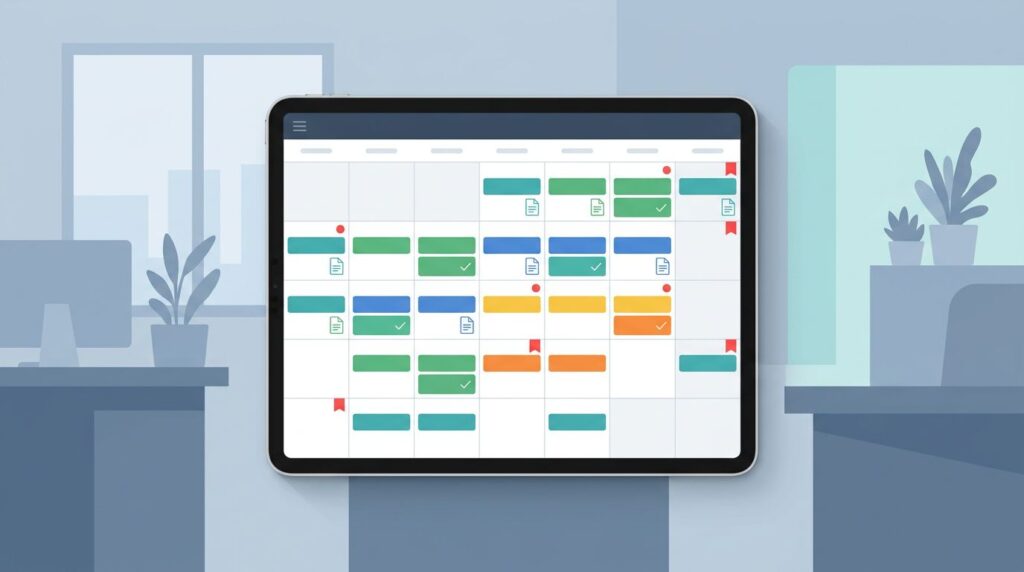
It’s 4:47 p.m. Someone forwards a court notice to “the team” with a subject line like “URGENT.” Two people assume the other one will calendar it. A third person saves the PDF to a folder “for later.” The next morning, the attorney swears they never
- CTO Input
You already feel it. Technology is eating more cash, more time, and more headspace than it should. Security questions are getting sharper, projects slip, and every board pack seems to have one slide nobody can explain with confidence. That is the moment to start hiring
- Tyson Martin for CTO Input
Most mid-market technology reviews feel the same: 60 to 90 minutes of dense slides, status updates, and vendor jargon that leave you with the same questions you walked in with. If you are a CEO, COO, or founder, you feel the cost of that. Rising
- Tyson Martin for CTO Input
It's the end of the grant cycle, and the familiar panic is setting in. You're pulling impact numbers from a dozen different spreadsheets, trying to build a coherent story for a funder while the deadline looms. This isn't just an IT headache; it's a mission-level
- CTO Input
- Tyson Martin for CTO Input
A vendor emails: “We’re investigating a possible cybersecurity incident, potentially a supply chain attack.” It’s 4:47 pm. Your intake queue is full, a filing deadline is tomorrow, and staff are already forwarding screenshots to each other. Someone asks, “Who’s supposed to call the vendor?” Another
- CTO Input
At 4:45 pm, the intake queue is still long. A partner calls back with a “quick question,” but they don’t have the full context. A supervisor needs an answer that’s safe to stand behind. And the client is asked, again, to re-tell the hardest parts
- CTO Input
You are not crazy if cybersecurity feels noisy, technical, and hard to pin down. Most growth-minded CEOs, COOs, and founders know it matters, yet feel a step behind the questions from boards, lenders, and large customers. The good news is that you do not need
- Tyson Martin for CTO Input
It’s the end of the quarter, and a big grant report is due. Your team is in a mad dash, trying to stitch together numbers from three different spreadsheets, a handful of Word docs, and a critical referral for a vulnerable client that got buried
- CTO Input
- Tyson Martin for CTO Input
If you are honest, is your technology plan something you drive, or something that just happens to you? Most mid-market companies live with a patchwork of tools, projects, and vendors that grew faster than the actual business strategy. Costs creep up, cyber risk creeps in,
- Tyson Martin for CTO Input
The intake queue is exploding. A partner asks for a data export by end of day. A staff member forwards a client document from a personal email because the “secure way” for data protection is too hard. In legal aid, cybersecurity isn’t a background IT
- CTO Input
If you are honest, does your technology feel more like a cost sink than a growth engine? Projects stall, vendors speak their own language, and every outage leads to the same finger-pointing loop. You pay more, get less, and still feel exposed in every board
- Tyson Martin for CTO Input
It’s the end of the quarter. A critical grant report is due, and your pro bono hours are buried in a dozen different spreadsheets, each one formatted differently. Your pro bono coordinator is frantically trying to reconcile the numbers, while you’re worrying if the sensitive
- CTO Input
You know something is off with technology, but you are not sure who to bring in to fix it. You hear “fractional CTO,” “tech advisor,” and “interim VP Engineering” thrown around, often as if they mean the same thing. They do not. Pick the wrong
- Tyson Martin for CTO Input
It’s 9:12 a.m. Intake is stacking up, advocates can’t open case files due to the ransomware attack, and the phones won’t stop. Someone forwards a screenshot: a ransom note. The panic doesn’t come from the tech details. It comes from the cyber threat landscape shaped
- CTO Input
If you run a PE-backed company and feel that technology is lagging behind the deal thesis, you are not alone. Many CEOs and COOs sense that tech spend is rising, risk is creeping up, and the board is asking sharper questions than ever. Private equity
- Tyson Martin for CTO Input
You just got the email from a major prospect, investor, or partner: “We’ll need to see your SOC 2 or ISO 27001 before we move forward.” Revenue is on the line, the board is asking questions, and inside your company everyone is looking around for
- Tyson Martin for CTO Input
Ever had one of those nights? The grant report is due tomorrow, fueled by stale coffee and a growing sense of dread. The data you need is spread across five different spreadsheets, and none of them seem to agree with each other. The board wants
- CTO Input
- Tyson Martin for CTO Input
The intake queue is exploding. A partner asks for an update. A board packet is due. Then someone forwards a strange email, or a staff laptop goes missing, and suddenly the question isn’t “Do we have antivirus?” It’s “Could a client get hurt because we
- CTO Input
The intake queue is blowing up, staff are hopping between forms, and someone is asking, again, “Can you tell me what happened?” The client pauses. You can hear the strain in the silence. Your team isn’t trying to be careless. The system is. When a
- CTO Input
When you sit in a board meeting and the conversation turns to technology, what does “good” actually look like? For many mid-market CEOs and COOs, tech feels expensive, risky, and oddly detached from the real work of winning customers and protecting margins. Projects stall, vendors
- Tyson Martin for CTO Input
Nobody wakes up excited for an audit, least of all your IT team. For many leaders, the idea of touching the tech stack feels like kicking a hornet’s nest of vendors, opinions, and sunk cost. Yet doing nothing is already a choice. You feel it
- Tyson Martin for CTO Input
You are not short on ideas. You are short on a clear, believable technology plan that your team can actually execute. If you are a growth-minded CEO or founder, you probably ask yourself a simple question: What does a good, practical technology roadmap look like
- Tyson Martin for CTO Input
It’s the end of the quarter, and the grant report is due. A program director is hunched over her desk, trying to reconcile data from three different spreadsheets that refuse to match. This recurring fire drill isn’t just a stressful week; it’s a symptom of
- CTO Input
Most CEOs will sign off on millions in technology spend this year without feeling truly confident in what they just approved. The charts look polished. The buzzwords sound familiar. But the real questions stay unasked. If you feel like your technology roadmap is written in
- Tyson Martin for CTO Input
Search Leadership Insights
Type a keyword or question to scan our library of CEO-level articles and guides so you can move
faster on your next technology or security decision.
Request Personalized Insights
Share with us the decision, risk, or growth challenge you are facing, and we will use it to shape upcoming articles and, where possible, point you to existing resources that speak directly to your situation.