Practical resources
for justice operations,
data, and digital trust
Practical guidance for mission-driven executives who need clearer systems, cleaner data, and lower privacy risk so they can move faster with confidence.
It’s the end of the grant cycle, and a familiar panic is setting in. Key program data is siloed across three different spreadsheets and a case management system that refuses to sync. Your small team is completely burned out from weeks of manual data entry,
- CTO Input
A legal professional is racing a filing deadline. The inbox is a blur. A message lands, one of those cybersecurity threats disguised as a court notice with an urgent subject line, clean formatting, and familiar tone. One click. Ten minutes later, the questions start. Was
- CTO Input
How do you get your arms around security, data, and systems risk without turning into an IT specialist? If you are a growth-minded CEO, COO, or founder, you probably feel the squeeze. Boards ask about ransomware and AI misuse. Customers ask about data protection. Your
- Tyson Martin for CTO Input
If you suspect your tech stack is slowing growth, burning cash, or making board meetings tense, you are not alone. Many CEOs and COOs feel like technology has turned into a black box that costs more every year and delivers less clarity. A 30-day tech
- Tyson Martin for CTO Input
You probably feel the squeeze. Your board wants real answers on AI, cyber risk, and system reliability, but a $300k-plus full-time CTO still feels like a stretch. You are not alone. Many mid-market firms have serious customers, regulators, and investors, yet rely on an overworked
- Tyson Martin for CTO Input
It’s 9:12 a.m. Intake is stacking up, advocates can’t open case files due to the ransomware attack, and the phones won’t stop. Someone forwards a screenshot: a ransom note. The panic doesn’t come from the tech details. It comes from the cyber threat landscape, what
- CTO Input
Your intake queue is growing. Partner handoffs are failing. A funder report is due, and the numbers don’t match what staff know is true. These issues widen the justice gap in service delivery. That’s how tech debt shows when there is no justice organization technology
- CTO Input
- Tyson Martin for CTO Input
A smart software licensing strategy for nonprofits can be the difference between software being a chaotic, unpredictable expense and it becoming a true strategic asset. It's about moving from reactive, ad-hoc purchases to a disciplined approach that aligns every tool with your mission. This is
- CTO Input
The intake queue is exploding. A partner handoff failed again. A funder report is due Friday, and the numbers don’t reconcile with last quarter’s spreadsheet. When that happens, it’s tempting to hunt for a new tool. But the tool isn’t the work. The work is
- CTO Input
You are sitting in a portfolio review, flipping through the deck. The deal thesis is clear, the market story holds, the numbers look fine. Then you hit the “IT” slide. One box, three bullets, and a big budget number you do not fully trust. That
- Tyson Martin for CTO Input
If you lead a mission-driven nonprofit, you already know this truth: trust is part of the service. Clients share details they may not even tell family. Donors trust you with payment data and private intent. Staff store case notes, benefits documents, safety plans, and court
- CTO Input
Court self-help programs, navigator teams, and legal aid style nonprofits run on motion. Part-time staff. Pro bono partners rotating in and out. Interns who start strong, then disappear when school ramps up. Vendors who “just need access for a minute.” All of it under urgent
- CTO Input
It’s 4:45 p.m. on a Friday. Intake is still piling up. A partner email comes in with a spreadsheet attached, full of names, birthdates, and case notes. Someone forwards it to “whoever can help.” On Monday, a funder report is due, and the numbers don’t
- CTO Input
A navigator is sitting at a small table outside a courtroom. The line is long. The questions are urgent. Someone leans in and quietly shares details about a pending eviction, a protective order, an immigration deadline, or a benefits cutoff. In that moment, your program
- CTO Input
- Tyson Martin for CTO Input
For leaders of legal nonprofits, improving funder reporting isn't about tweaking a process. It's about breaking a destructive cycle. It’s moving beyond the recurring, last-minute chaos to build a reliable, sustainable system that proves your impact without burning out your staff. This means centralizing scattered
- CTO Input
Your intake queue is already too long. Your staff is already doing triage with one eye on the clock and one eye on client safety. Then a privacy scare hits: a mis-sent email, a shared link left open, a spreadsheet copied to the wrong drive.
- CTO Input
Your mission is clear. Your systems are not. You run a vital organization that stands behind frontline advocates—a national network, a law school clinic, an impact litigation hub. Your team is brilliant and committed. But behind the scenes, you’re fighting a quiet war against chaos.
- CTO Input
Your intake queue is growing. A referral handoff breaks. A board report is due, and the numbers don’t match what staff see on the ground. Meanwhile, you’ve got plans: a new case management system, a refreshed intake flow, an AI pilot, a reporting fix that
- CTO Input
- Tyson Martin for CTO Input
It often starts with a scene that’s all too familiar. A major funder report is due, and your team is scrambling, manually pulling data from three different spreadsheets and a clunky case management system that hasn’t seen an update in years. Unsurprisingly, the numbers don’t
- CTO Input
A staff member sees a strange login alert, then intake goes down. The phones start ringing, the web form spins, and someone says the quiet part out loud, client safety might be at risk. This is the constraint justice-focused legal nonprofits live with, a small
- CTO Input
Your intake queue is already overflowing. A court partner needs an answer today. A board member forwards a strange email from a staff account. Then your IT lead says the words you don’t want to hear: “We suspect unauthorized access to data.” This is when
- CTO Input
You are not chasing billable hours. You are trying to keep people safe, housed, and informed, often with less staff and more demand than feels fair. Legal services case management software, a vital subcategory of legal practice management software, is one of the few tools
- CTO Input
The law firm cybersecurity intake queue is overflowing with referrals, complicating risk management. A referral partner emails a spreadsheet “just for today.” A volunteer needs access “right now.” Then a phishing email lands, someone clicks, and suddenly you’re in the worst meeting of the year.
- CTO Input
You are about to sit across from a potential technology leader and you want to know how to interview a CTO. The stakes are high, and your notes are thin. The quiet question in your head is simple: What questions should I ask a potential
- Tyson Martin for CTO Input
It’s 4:47 p.m. on a Friday. Someone pings you, “Did we file the response?” Another person says they “had it on their calendar.” A third swears the hearing date changed. You can feel the room tighten, not because people don’t care, but because the process
- CTO Input
At 4:45 p.m., someone asks a simple question: “How many people did we actually serve this quarter?” The number doesn’t reconcile. Intake is in one place. Referrals are in someone’s inbox. Program notes are in a shared drive. The report is due tomorrow, and staff
- CTO Input
You walk into the board meeting, slide deck ready, and you already know the question that is coming: “Are we okay on cyber and technology risk?” If you are a growth-focused CEO or COO who is not technical, that question can feel like a trap.
- Tyson Martin for CTO Input
It’s the end of the quarter, and the grant report is due. Your team is in a frantic scramble, pulling data from five different spreadsheets and a handful of systems that don’t talk to each other. That familiar feeling of panic isn’t just a reporting
- CTO Input
The work you lead is already heavy. Case backlogs. Emergency grants. New reporting rules every year. Now AI tools, cloud systems, and cyber risks sit on top of it all. For legal nonprofits, executive coaching on digital strategy legal is no longer a nice-to-have. It
- CTO Input
You’ve seen the same story play out. A client calls legal aid organizations, then gets sent to a court help desk, then to a housing assistance partner, then back again. Each stop has its own form, its own script, its own waitlist, its own “can
- CTO Input
Your intake queue is full. A grant report is due. Someone asks, “Can the new mission-critical system do conflict checks and keep client notes secure?” The vendor says yes, of course. Two months later, staff are copying and pasting between tools, numbers don’t match, and
- CTO Input
A grant report is due for your civil legal aid organization. Intake is backed up. Your case system has three different places to record “closed.” Someone asks, “How many households kept their housing through civil legal services this quarter?” and the room goes quiet. This
- CTO Input
- Tyson Martin for CTO Input
AI guardrails consulting for justice network organizations isn’t just a technical exercise; it’s a critical mission-support function. It’s about building a framework to safely use new technologies while staying true to your commitment to equity and fairness. It means putting clear policies, practical controls, and
- CTO Input
If you run a justice-focused nonprofit, you probably feel the weight of your systems every day. Spreadsheets everywhere. Case notes in email. Fragile tools that buckle whenever a new grant report is due. This is where justice lab data and technology support comes in. In
- CTO Input
You feel it every quarter: technology is getting louder, pricier, and harder to steer. Your board asks about AI risk and cyber resilience. Lenders want comfort on systems and controls. Vendors say everything is “urgent.” Projects slip, costs creep, and your leadership team is tired
- Tyson Martin for CTO Input
It’s 4:45 p.m. The intake queue is still climbing. A partner emails, “We referred three people today, did you reach them?” Your team searches inboxes, a shared spreadsheet, and someone’s notes. No one can say, with confidence, what happened next. This is how trust leaks
- CTO Input
What should a 3 year technology roadmap look like for a mid-sized company? If you are running a business between 2 and 250 million in revenue, you probably feel the squeeze: rising tech costs, constant cyber questions from the board, and projects that never quite
- Tyson Martin for CTO Input
It usually starts with a simple, direct question buried in a new grant application or posed by a potential healthcare partner: “Are you HIPAA compliant?” For the executive director, COO, or operations lead at a legal nonprofit, that question can trigger a wave of anxiety.
- CTO Input
If you run a justice-focused nonprofit, your tech probably feels like a pile of Jenga blocks. Old systems needing legacy system modernization. New tools. Manual work everywhere. A justice organization technology roadmap is a simple way to turn that pile into a plan through smart
- CTO Input
In the demanding world of the criminal justice system, a quarterly report is due, the intake queue is exploding, and someone asks the question that always lands hard: “So… how many people did we actually help, and what changed for them?” In a justice support
- CTO Input
Are you asking yourself the following question: “How to know if your managed service provider is doing a good job?”. This article gives you a practical checklist so you can tell the difference between an managed service provider that simply keeps the lights on and
- Tyson Martin for CTO Input
At capacity building organizations focused on workforce development, your training team is onboarding another cohort. A partner sends a spreadsheet of contacts. A funder wants a progress update, and the numbers don’t reconcile. Then someone forwards a “DocuSign” email that wasn’t DocuSign at all. Capacity
- CTO Input
- Tyson Martin for CTO Input
Protecting your clients’ data isn’t just a best practice; it’s a core part of your mission. For court self-help organizations, a solid data security strategy for court self help organizations is the bedrock of public trust. It’s about moving away from last-minute fixes and building
- CTO Input
Much justice work now happens on digital devices like screens or phones. Your legal teams are trying to reach clients in detention, rural towns, crowded apartments, and shelters using remote legal support. Many speak languages your team does not, or cannot find in person on
- CTO Input
You feel it every board meeting. Technology keeps getting more expensive, more complex, and more exposed to risk, yet still feels disconnected from the actual growth plan. You do not want another tool or one more vendor pitch. You want senior leadership, without a full-time
- Tyson Martin for CTO Input
You have a board meeting on the calendar. The deck is almost done. But there is one slide that still feels fuzzy: the cyber risk report. Your board now treats cyber exposure the same way it treats financial exposure. Investors, lenders, and regulators see cyber
- Tyson Martin for CTO Input
Your technology stack is talking to you. It just might be speaking in outages, manual workarounds, late projects, and anxious board questions. You already feel the drag: rising IT spend, slow decisions, finger pointing between teams, and a nagging sense that you are paying “interest”
- Tyson Martin for CTO Input
If you feel unsure whether your security budget is too high, too low, or simply misdirected, you are not alone. Most growth-minded CEOs and founders feel the same tension. You sign off on six-figure renewals, sit through vendor pitches, then still worry about the next
- Tyson Martin for CTO Input
A virtual CISO for legal partner organizations is your on-demand, senior cybersecurity leader. They bring strategic guidance to the table on a fractional basis, helping your network, coalition, or advocacy hub manage digital risks and protect incredibly sensitive client data—all without the hefty price tag
- CTO Input
The story is painfully familiar. A mid-market company spends countless dollars on security tools. A breach still hits. Operations stall, customers panic, and the next board meeting turns into a blame session. Everyone around the table thought they were doing the right thing. They approved
- Tyson Martin for CTO Input
It’s 4:45 p.m. Intake is still climbing. A partner is waiting on a referral handoff. Tomorrow’s court deadline is already too close. Then someone can’t sign in, again, because a password was reset and the reset email went to an old inbox no one checks.
- CTO Input
Challenges in information exchange. Shared drives that feel like a maze. People quietly pasting client details into email, chat, and AI tools because they just need to get the work done. That is the daily reality for many justice organizations operating within the justice system.
- CTO Input
- Tyson Martin for CTO Input
The call from a major funder comes in, asking pointed questions about your data privacy policies. Suddenly, your team is scrambling, trying to patch together documentation for systems that barely talk to each other. For leaders of court services and justice support organizations, that quiet
- CTO Input
Legal teams did what they had to do. Intake logs in Excel. Clinic rosters in Google Sheets. Grant reports in a dozen different files, each with its own tabs, color codes, and macros that only one person understands. Over time, those quick fixes turn into
- CTO Input
- Tyson Martin for CTO Input
You are a growth-focused CEO or founder. Your cloud spending has quietly doubled in the last 12 to 18 months, yet revenue has not. You see the invoices, but you do not see the story. Cloud was sold as flexible and a source of cost
- Tyson Martin for CTO Input
It’s 8:12 a.m. A program manager forwards a message that looks like it came from the ED. “Urgent, please review this invoice.” Someone clicked. Now intake is down, staff can’t reach case notes, and the board chair is asking the question nobody wants to answer
- CTO Input
Choosing a technology vendor isn’t just about buying software. For justice-focused nonprofits, it’s a strategic decision that can either amplify your mission or slowly grind it to a halt. The frantic, last-minute scramble to pull a grant report from three different systems isn’t just a
- CTO Input
Remote work and hybrid arrangements are now standard for justice-focused organizations, much like in law firms. Legal professionals support advocates from home offices, co-working spaces, clinics, and sometimes from cars outside detention centers. In that mix, remote work tools for legal services teams are no
- CTO Input
A justice support network is rarely one organization. It’s legal aid providers, court self-help centers, navigator programs, community partners, pro bono clinics, and the tech vendors that hold forms, files, and case notes. Under frameworks like Executive Order 14117, which underscores data protection amid national
- CTO Input
Your board wants proof. Your IT team wants budget. Your vendors want a signature this quarter. In the middle of that noise sits you, the CEO or operator who actually owns the result. You hold two different compasses: CEO intuition and technical expertise from your
- Tyson Martin for CTO Input
Your intake line is full. A client finally gets through, and you can hear the stress in their voice. You ask for proof of income, a lease, a notice, a case number, a copy of an ID. They say they have some of it, somewhere.
- CTO Input
- Tyson Martin for CTO Input
The intake queue is exploding. A partner is waiting for a referral that never arrives. Someone in need starts an application, then vanishes halfway through. By the time your team circles back, it’s too late, the moment passed, trust thinned, and your staff has another
- CTO Input
If you support frontline legal advocates, your tech problems don’t show up politely. They show up on deadline days. During audits. Right before a board meeting. Or when a partner can’t get the data they need to serve someone at risk. A 60-tech triage plan


- CTO Input
An outcomes taxonomy is a disciplined framework for defining, measuring, and reporting on your impact. For leaders of justice-focused organizations, it’s the tool that transforms scattered program data into a clear, compelling story for funders, boards, and partners. It moves your team beyond chaotic, last-minute
- CTO Input
If you run a justice-focused nonprofit organization, you live with a quiet fear: one spreadsheet, one inbox, one vendor mistake away from exposing a client story that can never be taken back. A privacy impact assessment for legal nonprofits is a simple, structured way to
- CTO Input
If your organization supports legal advocates, you already know the feeling: information is everywhere. Case notes in shared drives. Training rosters in spreadsheets. Partner lists in email threads. A “final” report living in five versions. A data classification policy (which is a key part of
- CTO Input
Your intake queue is already loud. A report is due. A partner wants answers. Then a generative AI vendor promises to serve as your strategic technology partner and “save time” with summaries, triage, or a chatbot. That tool might also touch intake notes, safety plans,
- CTO Input
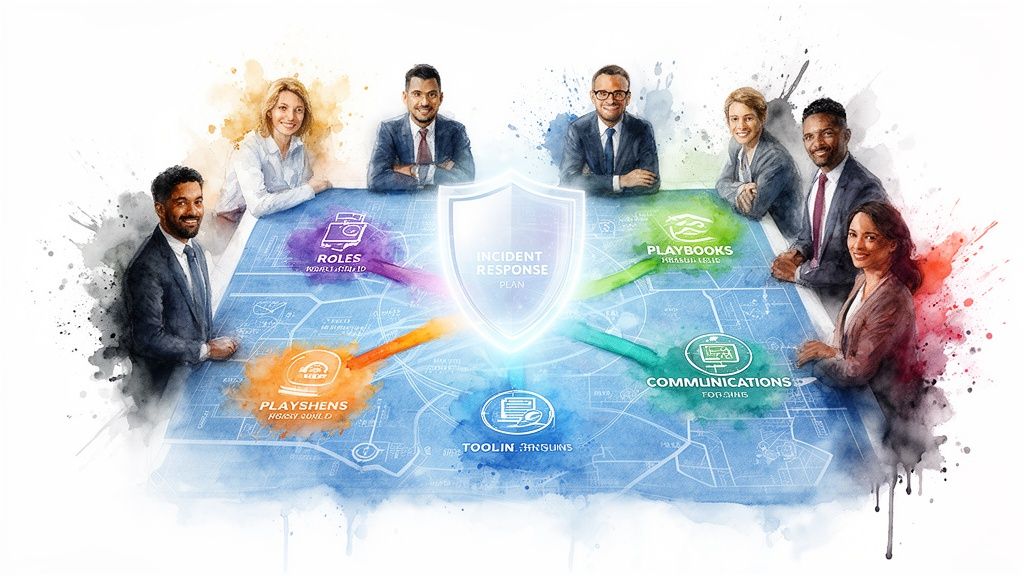
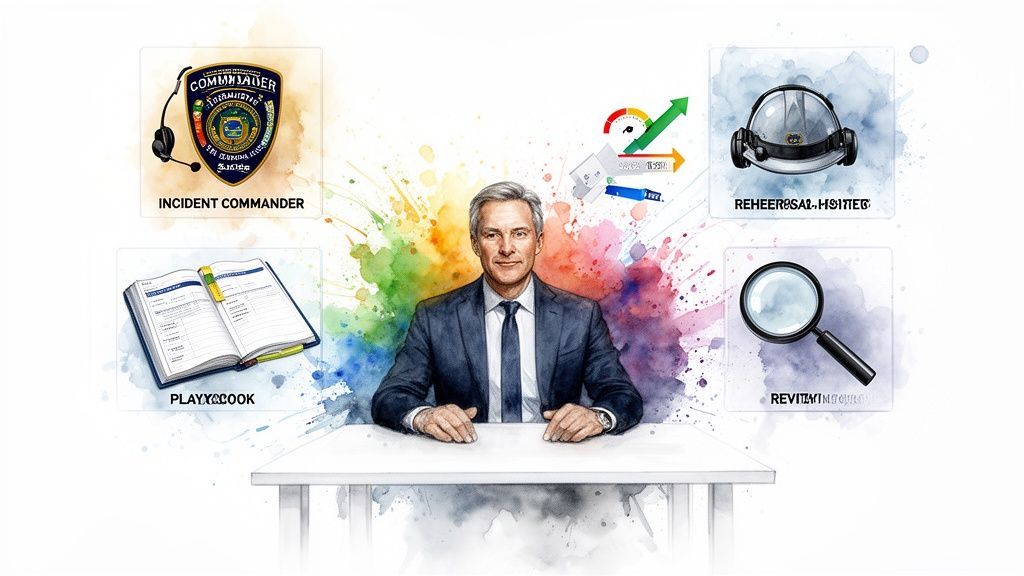
After an incident, your first public statement, rather than a scripted public relations statement, is either a seatbelt or a spark. It can protect your security posture and reduce harm, or it can multiply it. Mission-driven orgs feel pressure from every direction at once following
- CTO Input
You look at your monthly spend and see a growing wall of SaaS subscriptions, “must‑have” security tools, and point solutions. Yet outages keep happening, access requests drag on, and the board is asking sharper questions about cyber risk and resilience. On paper, you have more
- Tyson Martin for CTO Input
Information security compliance, at its core, is about protecting your organization’s digital information by following established laws and industry standards. It's the set of controls and processes you build to stop data breaches, protect sensitive information, and prove to funders, regulators, and the communities you
- CTO Input
If you lead advocacy coalitions pursuing social justice as multisectoral collaboratives, you probably feel it in your bones: contacts everywhere, clarity nowhere. Spreadsheets on personal drives. Lists inside Mailchimp and Eventbrite. Notes trapped in someone’s inbox who left last month. A shared CRM for justice
- CTO Input
It’s 4:45 pm. A funder report is due tomorrow. Program says the numbers are in the case system. Development says they’re in the CRM. Finance says the invoice list doesn’t match either. Someone opens a spreadsheet named “FINAL_v7_REAL.xlsx” and hopes it’s the right one. This
- CTO Input
- Tyson Martin for CTO Input
Technical due diligence isn’t some abstract corporate exercise. It’s a practical, hands-on process for uncovering hidden risks in your technology, data, and security before they escalate into mission-disrupting crises. For organizations focused on justice and advocacy, it’s about creating a clear, defensible roadmap for modernization—transforming
- CTO Input
You are a CEO or COO who keeps writing bigger checks for tech and security and getting weaker returns. Projects slip, cyber risk feels fuzzy, and the board is asking pointed questions you cannot answer in one slide. The tension is clear: rising spend, flat
- Tyson Martin for CTO Input
When was the last time a board member asked you about your uptime SLA? They did not. They asked about missed revenue, rising costs, or exposure from the last outage. That is the core idea: Your Board Doesn’t Care About Uptime. They Care About Dollars.
- Tyson Martin for CTO Input
Most justice support leaders do not lose sleep over routine cybersecurity incidents. They lose sleep over what happens when a vendor incident hits and nobody can answer three basic questions fast: What happened, what does it touch, and who is doing what next. In your
- CTO Input
You are a CEO, COO, or founder who is trying to leverage technology and getting less back. Projects slip. Systems do not connect. Vendors push shiny tools that do not align with your digital strategy or fix core problems. Your board keeps asking how IT
- Tyson Martin for CTO Input
A major funder drops a security questionnaire in your inbox, or a board member needs an urgent impact report, and suddenly it’s all hands on deck. Your team spends hours, maybe even days, digging through a maze of spreadsheets and disconnected databases to pull together
- CTO Input
You are a CEO who is spending more on IT infrastructure and getting less back. Every quarter, the slide on “technology risk” gets a little busier, a little more abstract, and a little harder to defend under tough questions from your board. Behind the jargon,
- Tyson Martin for CTO Input
You are a growth-minded CEO or founder who has said yes to one, two, maybe three AI pilots. The demos looked sharp. The vendor decks were glossy. Your team was excited. Yet your EBITDA has not moved. The executive leadership is asking what your AI
- Tyson Martin for CTO Input
You are a CEO who is spending more on tech and getting less back due to mounting technical debt. Projects drag on, outages keep showing up in Monday reports, and the board is starting to ask sharper questions about risk and return. You know those

- Tyson Martin for CTO Input
You are buried in vendor questionnaires, SOC 2 reports, and security addendums. Your team spends hours chasing signatures and documents. Yet in the back of your mind, you still do not feel safer. That tension is the signal to pay attention to Third-Party Risk Management:
- Tyson Martin for CTO Input
You are a CEO, COO, or founder who is spending more on tech and getting less back. Your inbox is full of AI pitches, your team brings slide decks to every planning session, and your board asks, “What is our AI strategy?” while also warning
- Tyson Martin for CTO Input
For leaders in justice-focused organizations, compliance isn’t an abstract corporate exercise. It’s a direct line to protecting vulnerable communities, securing sensitive data, and maintaining funder trust. The recurring fire drill of grant reporting and the constant anxiety around data privacy for immigration, incarceration, or youth
- CTO Input
The intake queue is exploding. Staff are doing the same steps twice. Someone prints a form “just in case,” then scans it, then emails it, then re-types it. Meanwhile, the applicant disappears halfway through because the process feels like a maze. A single front door
- CTO Input
- Tyson Martin for CTO Input
Search Leadership Insights

Type a keyword or question to scan our library of CEO-level articles and guides so you can move
faster on your next technology or security decision.
Request Personalized Insights
Share with us the decision, risk, or growth challenge you are facing, and we will use it to shape upcoming articles and, where possible, point you to existing resources that speak directly to your situation.