legal aid operations

Data Field Approval Workflow for Legal Aid Case Systems

You lead a civil legal aid organization. Case systems hold sensitive client data. Staff add fields on the fly to track new details. Soon, reports break. Compliance risks rise. Funders question data quality. Weak controls on data fields create drag. You lose trust in numbers, undermining your mission of access to justice for low-income individuals.

Data Field Approval Workflow for Legal Aid Case Systems Read More »

A Practical Walk-In Intake Triage Standard for Busy Justice Nonprofits

Walk-ins rarely arrive in a neat sequence. A missed hearing, a housing crisis, a custody issue, and a routine question can hit your front desk within minutes. Without an intake triage standard for legal intake, your staff improvise, urgency gets read differently, and fairness starts to drift. You don’t fix that with more effort. You

A Practical Walk-In Intake Triage Standard for Busy Justice Nonprofits Read More »

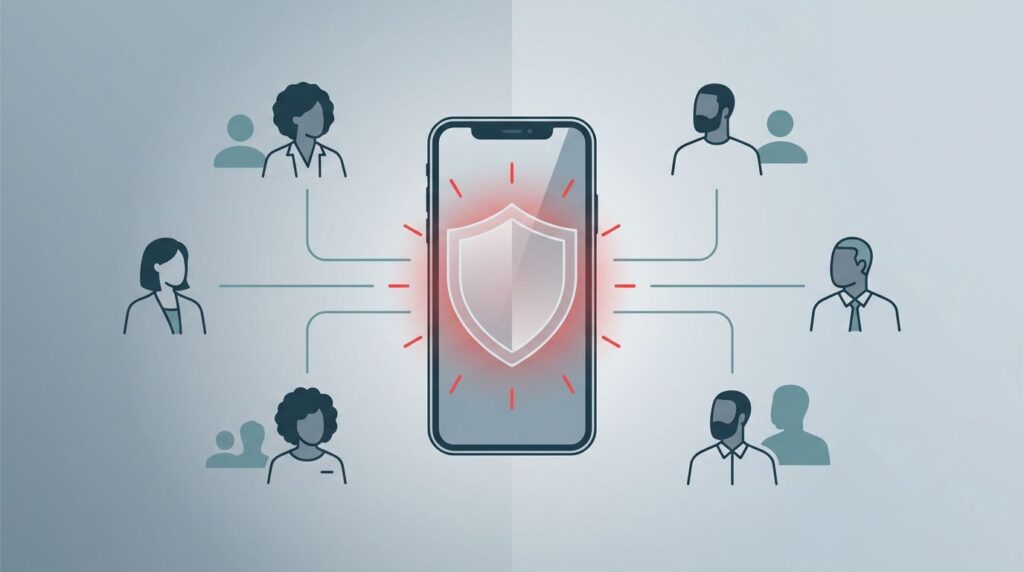
Client Texting Policy for Justice Nonprofits Using Personal Phones

A personal phone feels harmless until it becomes a pocket archive of client risk. If your staff text clients from their own devices, speed goes up, but so do risks to client confidentiality, recordkeeping gaps, and leadership blind spots. That tension is common in justice nonprofits. You want fast, humane communication. At the same time,

Client Texting Policy for Justice Nonprofits Using Personal Phones Read More »

Stop Referral Bouncebacks With a Partner Response Time Standard

Referral partnerships depend on social connections built through clear digital communication. A referral that disappears is worse than a slow one. When a partner stays silent, your team starts guessing, clients wait longer, and staff reopen work they thought was done. Different professional attachment styles can impact how teams collaborate in these scenarios. That is

Stop Referral Bouncebacks With a Partner Response Time Standard Read More »

Stop Over-Collect at Intake: Your Data Minimum Standards

You lead a legal aid or justice organization. Intake forms pile up with details you rarely use. Staff ask the same questions twice. Client data spreads across tools. Privacy risks grow quietly. Boards and funders notice the scramble in reports. You lose time, trust, and focus on real cases. Over-collection creates drag. It slows triage.

Stop Over-Collect at Intake: Your Data Minimum Standards Read More »

Stop Counting Referrals as Outcomes With Closed-Loop Attribution

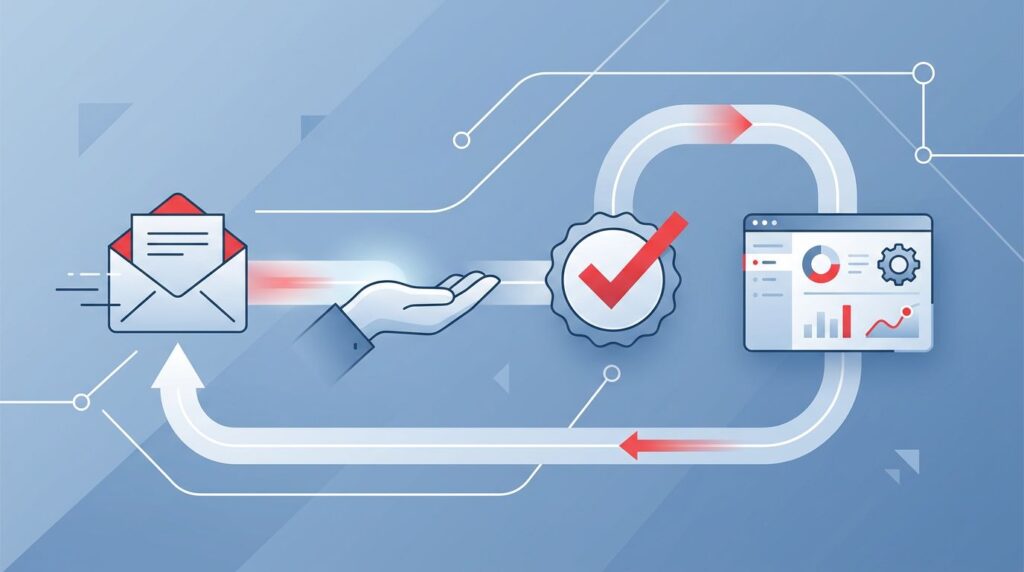
You send out referrals every day. Clients need help from partners. You log them as successes under open-loop attribution. But weeks later, you hear nothing back. Those vanity metrics look good in reports. They do not show the truth. People still fall through cracks. Funders question impact. Boards push for proof. Closed-loop attribution changes that.

Stop Counting Referrals as Outcomes With Closed-Loop Attribution Read More »

Stop Shadow Spreadsheets With a Workflow Retirement Plan

You run a legal nonprofit where cases stack up fast. Staff track intake, handoffs, and mission-critical client outcomes in scattered Excel files. These shadow spreadsheets feel like a quick fix. They hide in emails and shared drives. Yet they slow your team, weaken reports, and compromise data security. Growth makes it worse. Demand rises, but

Stop Shadow Spreadsheets With a Workflow Retirement Plan Read More »