security controls

Robotic factory equipment connects to servers through glowing lines behind a protective shield.

Manufacturing Cybersecurity When OT Meets IT

A ransomware incident at a manufacturer doesn’t stop at an inbox. It can stop a line, delay shipments, compromise product quality, and leave leadership explaining lost margin to customers and the board. That is why cyber risk in the manufacturing sector matters beyond IT. Connected digital technologies turn cyber threats into a business continuity concern, […]

Manufacturing Cybersecurity When OT Meets IT Read More »
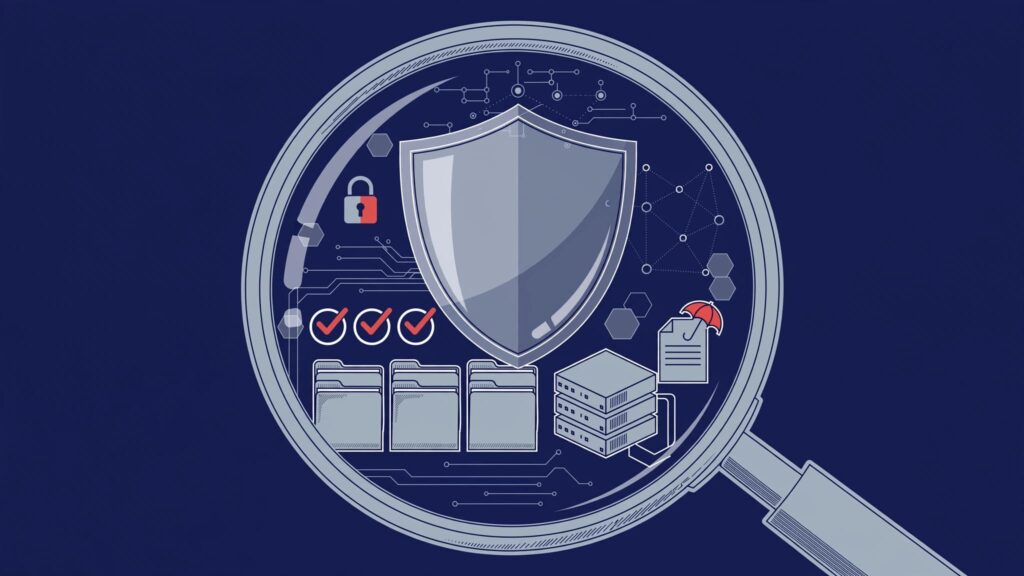
Glass shield protecting audit folders, servers, checkmarks, and an insurance document.

Cut Your Cyber Insurance Premium With Better Evidence

Cyber insurance gets more expensive when the carrier cannot see what is true. CEOs, COOs, founders, CFOs, and board members often ask how to lower costs without creating a coverage problem they discover too late. The central management question is how to reduce cyber insurance premium costs without relying on promises. Insurers want evidence that

Cut Your Cyber Insurance Premium With Better Evidence Read More »

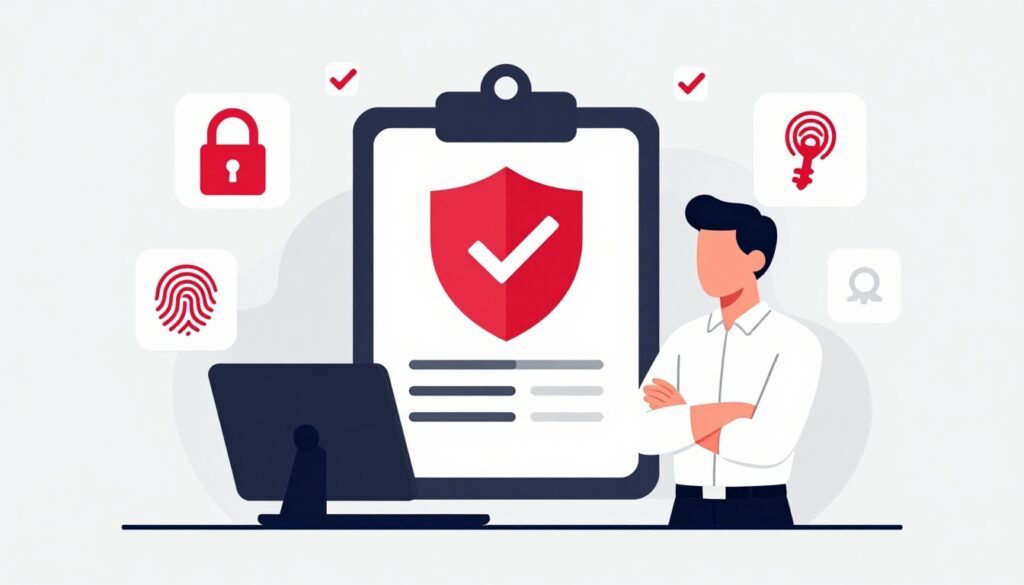
A professional reviews a cybersecurity checklist beside a laptop and security icons.

Cyber Insurance Controls Insurers Expect Before Quoting

Cyber insurance underwriting has changed. Carriers are no longer satisfied with a list of tools or a signed questionnaire. They want evidence that security controls work across the systems attackers are most likely to target. That puts cyber insurance MFA EDR requirements in front of CEOs, COOs, founders, CFOs, and boards. Identity protection, especially multi-factor

Cyber Insurance Controls Insurers Expect Before Quoting Read More »

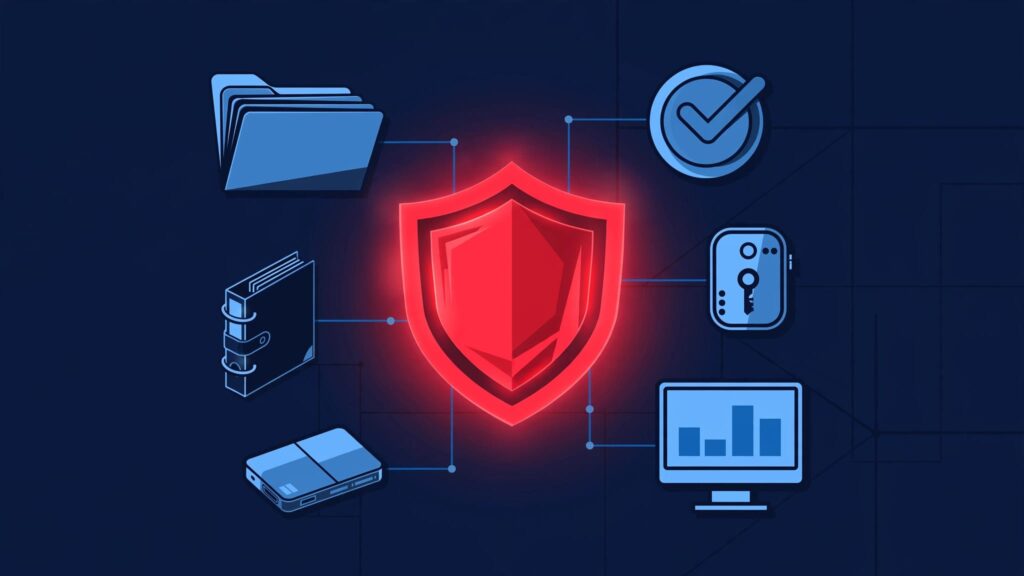
A glowing shield protects connected buildings, servers, laptops, and data nodes.

Portfolio Security Baseline for 12 Companies

One weak company can turn a portfolio’s cyber insurance renewal, transaction, or board meeting into a difficult conversation. A portfolio security baseline sets a common floor across all twelve portfolio companies. Tools and local processes can differ. What matters is knowing which controls cannot be missing, who owns the gaps, and when a local exception

Portfolio Security Baseline for 12 Companies Read More »

A central data hub separates into two secure network systems linked by red data pathways.

IT Carve-Out: Separate Systems Without Breaking the Business

An IT carve-out can support value creation when operational risks are controlled. Shared systems, data, vendors, identities, and infrastructure rarely divide cleanly when the deal closes. The target business must operate independently without losing orders, payroll, customer access, reporting, or security controls. Meanwhile, the parent company must keep those capabilities running through the separation. That

IT Carve-Out: Separate Systems Without Breaking the Business Read More »

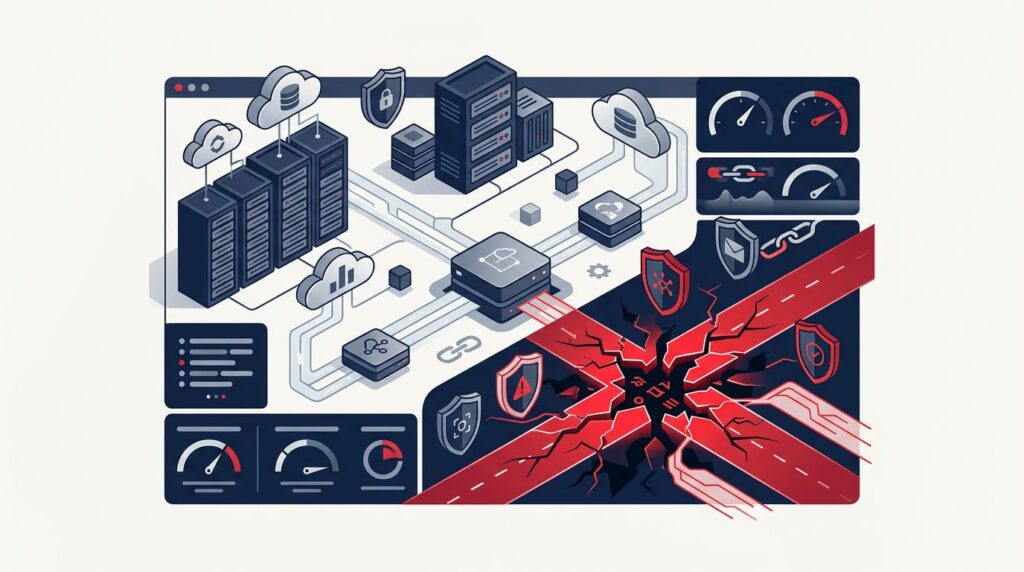
A digital infrastructure dashboard shows connected systems and a cracked red warning path.

Buy-Side Technology Due Diligence: What Kills Deals

A target can look attractive on paper during mergers and acquisitions, but hidden technology problems can threaten revenue, post-close value, and the integration plan, making buy side due diligence essential. A buy side technology due diligence checklist helps you test whether the systems, people, vendors, data, security controls, and technology costs support the investment thesis.

Buy-Side Technology Due Diligence: What Kills Deals Read More »

A cybersecurity leader holds a glowing shield key amid connected servers and monitoring panels.

Your MSP Security Strategy Needs an Owner

Your managed service provider can monitor alerts, patch systems, manage backups, and respond to tickets. It still can’t decide which business risks your company is willing to accept. An MSP security strategy becomes a real security program when it aligns with your broader cybersecurity strategies. Someone on your side must own the decisions, evidence, priorities,

Your MSP Security Strategy Needs an Owner Read More »

A policy document conflicts with a network dashboard as an executive observes a red warning line.

When an Information Security Policy Becomes a Liability

A written information security policy can look like proof of control until an incident, audit, customer review, or lawsuit tests it against reality. If the document says one thing while your systems, vendors, or employees do another, the policy may give a reviewer a clear record of the gap. That doesn’t create automatic legal liability

When an Information Security Policy Becomes a Liability Read More »