technical debt management

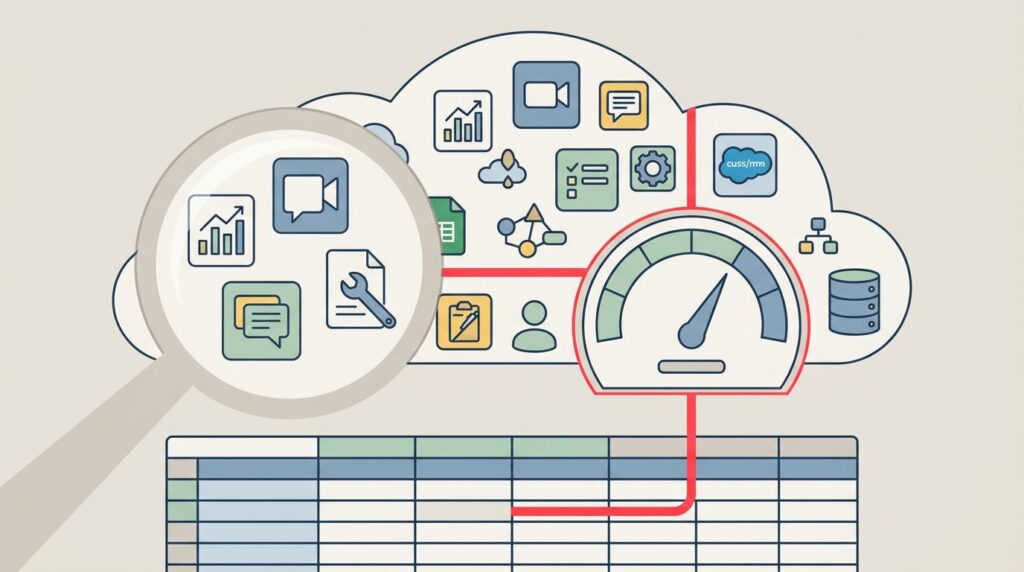
Software packages move through red checkpoints, with one delayed package outside the main flow.

Measure Technology Delivery Predictability Before Scaling

If a project date only becomes real when someone asks for it, you are not ready to scale. A team can deliver quickly and still be unreliable when completion dates vary widely. Speed and productivity don’t prove predictable delivery; consistency does. Before adding people, funding, or roadmap scope, leaders should have 8 to 12 weeks […]

Measure Technology Delivery Predictability Before Scaling Read More »
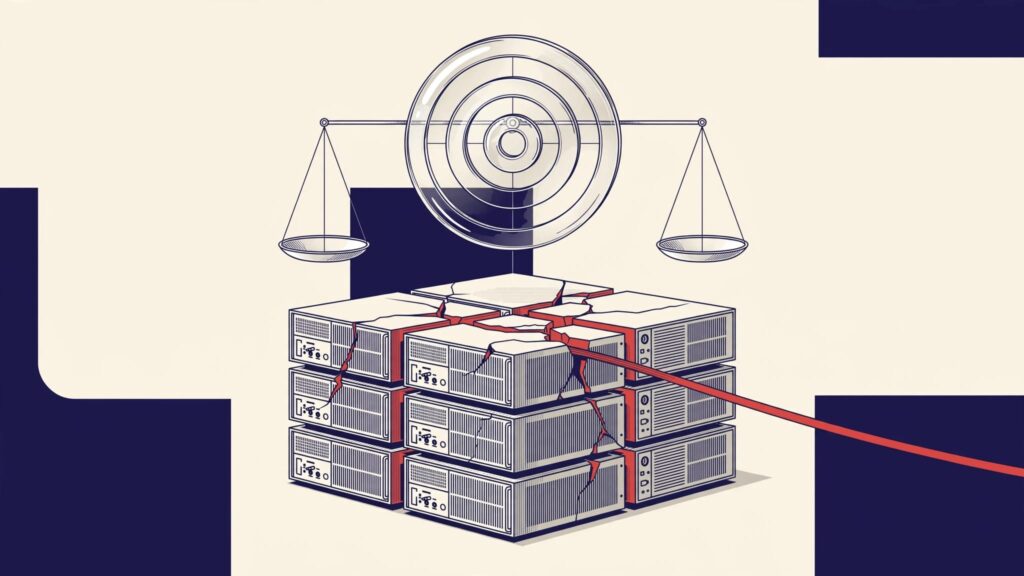
A balance scale illustrating technical debt on one side and a fragile trust bridge on the other.

Trust Debt vs. Technical Debt: The Board Blind Spot

When Ward Cunningham originally coined the financial debt metaphor, he intended to explain how shortcuts in software development lead to long-term costs that accrue interest over time. Today, board members are generally comfortable funding these issues, such as server replacements or ERP upgrades. Because technical debt has a visible invoice and a clear project timeline,

Trust Debt vs. Technical Debt: The Board Blind Spot Read More »

A glass balance scale with golden blocks on one side and red cracks on the other.

What Is Trust Debt? The Liability Your Balance Sheet Misses

Your company can look healthy on paper, but your internal and external creditors are beginning to doubt your ability to deliver. Customers hesitate before renewing, employees keep private spreadsheets because they do not trust the system, and vendors push back on accountability. Meanwhile, the board asks basic questions and receives long, uncertain answers. What is

What Is Trust Debt? The Liability Your Balance Sheet Misses Read More »

Merging Two Tech Stacks Without Wasting Time

Merging Two Tech Stacks Without Wasting Time

Merging two tech stacks is a high-stakes challenge that frequently arrives when you acquire a company, launch a new business unit, or replace a core platform. Whether you are navigating complex mergers and acquisitions or simply consolidating internal systems, you suddenly find two teams relying on different infrastructure, data models, vendors, and workflows. Everyone expects

Merging Two Tech Stacks Without Wasting Time Read More »

Why Technology Debt Grows So Fast in Fast-Growing Companies

Why Technology Debt Grows So Fast in Fast-Growing Companies

Fast growth looks good on the outside. Inside the business, it often means more systems, more vendors, more workarounds, and less time to slow down and clean up the mess. That is how technical debt piles up. Originally coined by Ward Cunningham to describe the consequences of imperfect software development, this concept has become a

Why Technology Debt Grows So Fast in Fast-Growing Companies Read More »

How to Run a SaaS Sprawl Audit Before Budget Season

How to Run a SaaS Sprawl Audit Before Budget Season

You can feel SaaS sprawl before the budget sheet actually reflects it. A few extra tools quickly turn into duplicate licenses, fuzzy ownership, and reports that nobody trusts. Without proper visibility into your software ecosystem, these unmanaged costs balloon until the stack looks normal on paper but remains expensive in practice. Conducting a comprehensive SaaS

How to Run a SaaS Sprawl Audit Before Budget Season Read More »

Technology Readiness Checklist for Doubling Revenue

Technology Readiness Checklist for Doubling Revenue

Doubling revenue exposes weak technology faster than almost anything else. If your systems, reporting, vendors, and decision rights are already loose, growth does not fix them. It makes them louder. A comprehensive technology readiness checklist keeps you honest before the pressure hits. By conducting a thorough readiness assessment, you can verify whether the business is

Technology Readiness Checklist for Doubling Revenue Read More »