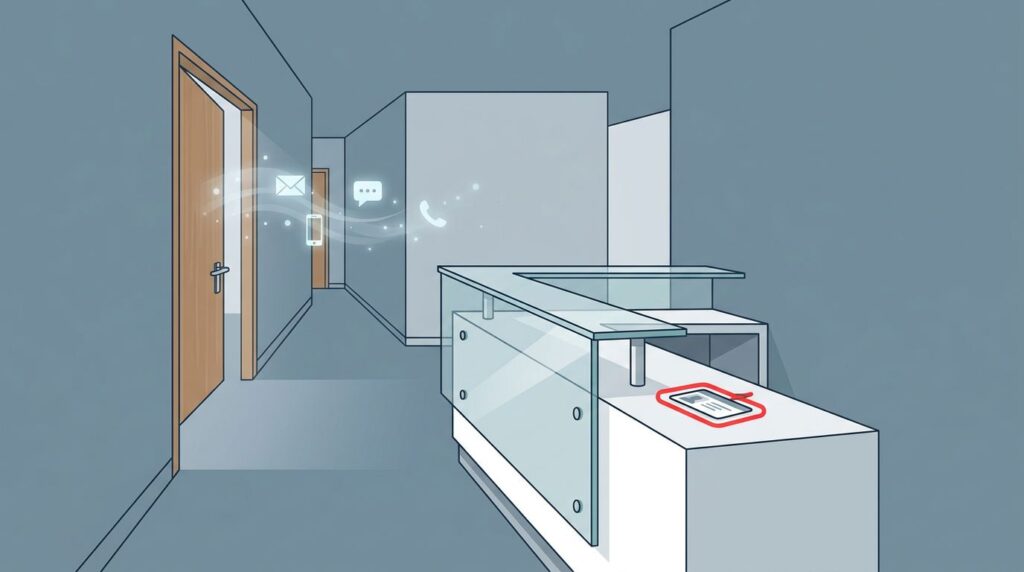
legal intake workflows

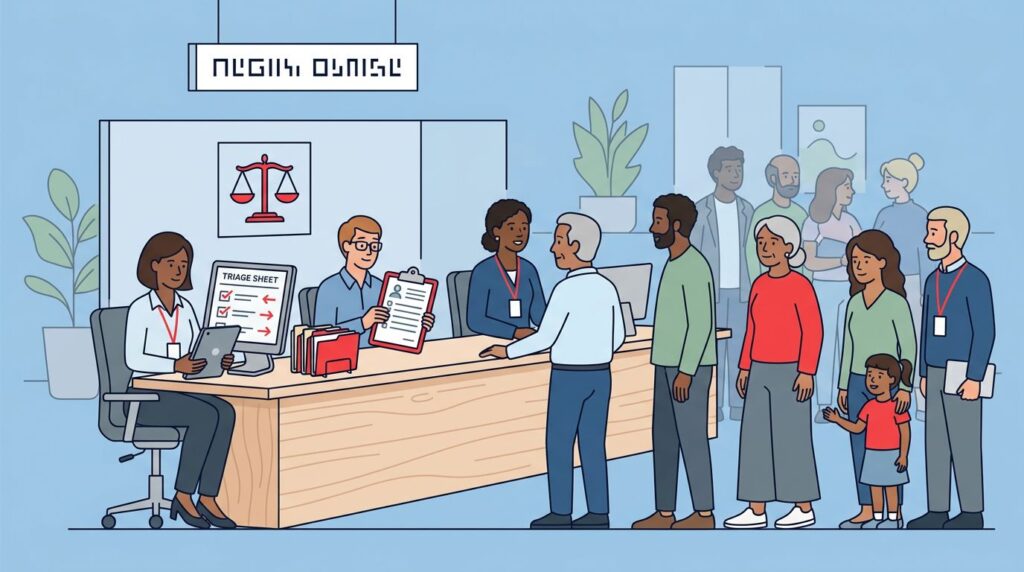
A Practical Walk-In Intake Triage Standard for Busy Justice Nonprofits

Walk-ins rarely arrive in a neat sequence. A missed hearing, a housing crisis, a custody issue, and a routine question can hit your front desk within minutes. Without an intake triage standard for legal intake, your staff improvise, urgency gets read differently, and fairness starts to drift. You don’t fix that with more effort. You

A Practical Walk-In Intake Triage Standard for Busy Justice Nonprofits Read More »

Stop Side-Door Requests With a Clear Intake Exception Rule

One side-door request rarely feels like a problem in a group home. Then the requests start arriving by text, email, Slack, hallway conversation, and board introduction, and your intake process stops being a process. When work enters through private channels, triage gets weaker, fairness drifts, and reporting turns shaky. Maintaining strict intake procedures is essential

Stop Side-Door Requests With a Clear Intake Exception Rule Read More »

Stop Over-Collect at Intake: Your Data Minimum Standards

You lead a legal aid or justice organization. Intake forms pile up with details you rarely use. Staff ask the same questions twice. Client data spreads across tools. Privacy risks grow quietly. Boards and funders notice the scramble in reports. You lose time, trust, and focus on real cases. Over-collection creates drag. It slows triage.

Stop Over-Collect at Intake: Your Data Minimum Standards Read More »

Stop Shadow Spreadsheets With a Workflow Retirement Plan

You run a legal nonprofit where cases stack up fast. Staff track intake, handoffs, and mission-critical client outcomes in scattered Excel files. These shadow spreadsheets feel like a quick fix. They hide in emails and shared drives. Yet they slow your team, weaken reports, and compromise data security. Growth makes it worse. Demand rises, but

Stop Shadow Spreadsheets With a Workflow Retirement Plan Read More »